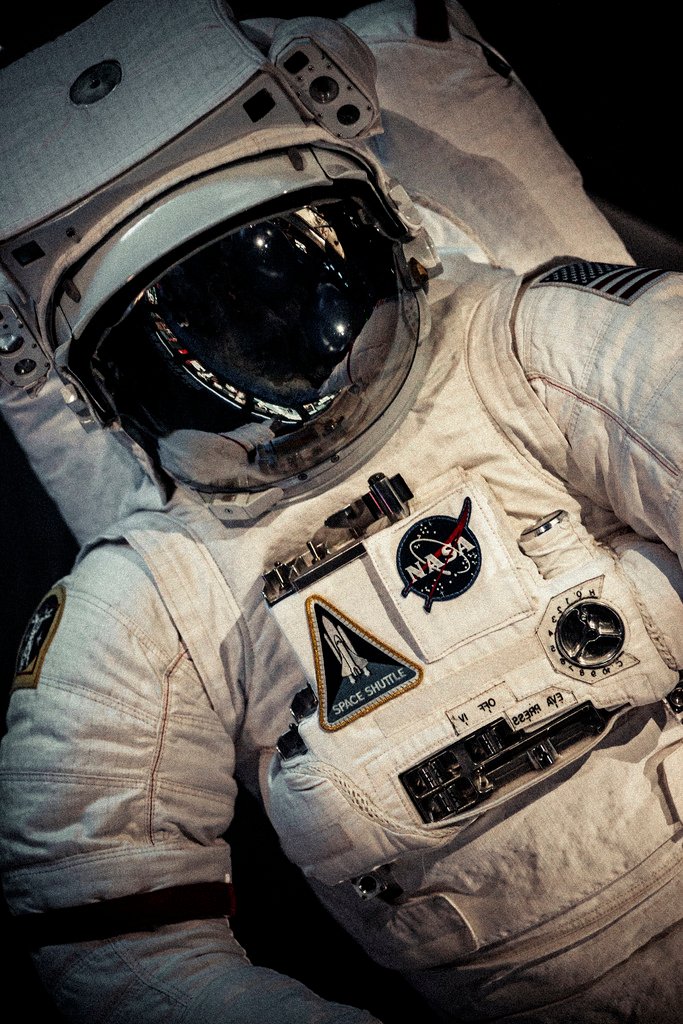
having a look
Source: exclamationpoint

having a look
Source: exclamationpoint
‘Water bears’ are first animal to survive space vacuum
Tiny invertebrates called ‘water bears’ can survive in the vacuum of space, a European Space Agency experiment has shown. They are the first animals known to be able to survive the harsh combination of low pressure and intense radiation found in space.
Water bears, also known as tardigrades, are known for their virtual indestructibility on Earth. The creatures can survive intense pressures, huge doses of radiation, and years of being dried out.
To further test their hardiness, Ingemar Jönsson of Sweden’s Kristianstad University and colleagues launched two species of dried-up tardigrades from Kazakhstan in September 2007 aboard ESA’s FOTON-M3 mission, which carried a variety of experimental payloads.
After 10 days of exposure to space, the satellite returned to Earth. The tardigrades were retrieved and rehydrated to test how they reacted to the airless conditions in space, as well as ultraviolet radiation from the Sun and charged particles from space called cosmic rays.
The vacuum itself seemed to have little effect on the creatures. But ultraviolet radiation, which can damage cellular material and DNA, did take its toll.
Dried out
In one of the two species tested, 68% of specimens that were shielded from higher-energy radiation from the Sun were revived within 30 minutes of being rehydrated. Many of these tardigrades went on to lay eggs that successfully hatched.
But only a handful of animals survived full exposure to the Sun’s UV light, which is more than 1000 times stronger in space than on the Earth’s surface.
Before this experiment, only lichen and bacteria were known to be able to survive exposure to the combination of vacuum and space radiation.
“No animal has survived open space before,” says developmental biologist Bob Goldstein of the University of North Carolina at Chapel Hill, who was not affiliated with the study. “The finding that animals survived rehydration after 10 days in open space – and then produced viable embryos as well – is really remarkable.”
This ability to survive in extreme conditions “might be important when we consider the habitability of other bodies in our solar system or beyond,” says astrobiologist Gerda Horneck of the German Aerospace Center. But the results say little about how the animals might develop and reproduce in harsh environments, Horneck says.
The authors aren’t sure what causes the animals to be as resistant as they are to the effects of ultraviolet radiation. They speculate their hardiness might stem from the same adaptations that enable tardigrades to bounce back from being dried out.
Journal reference: Current Biology, vol 18, p R729
Very interesting!
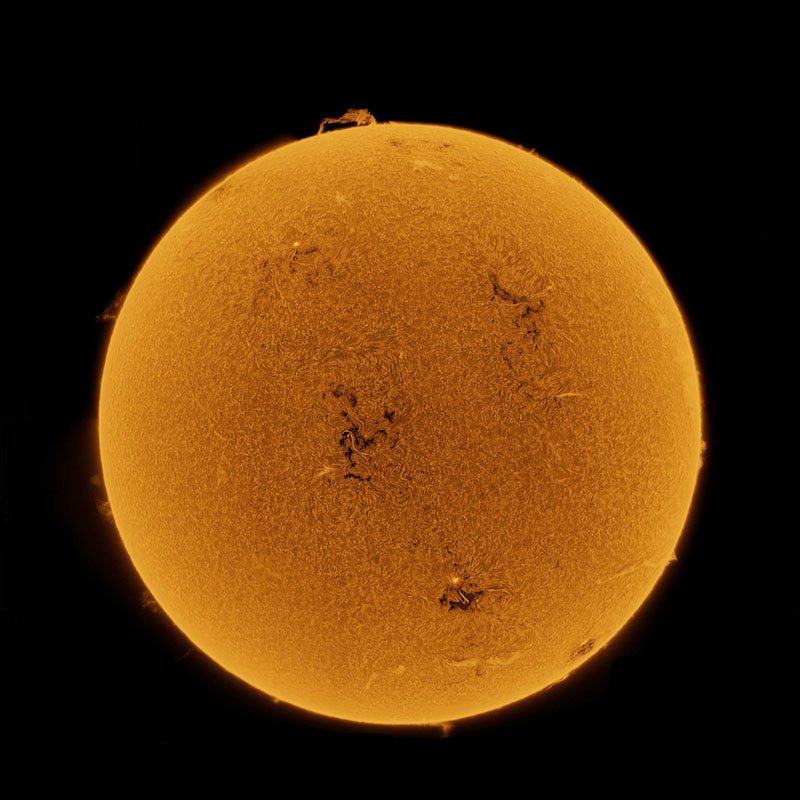
“Here is a shot of the Sun from 10-21-12. Taken using a PST40, Flea3 webcam and 2x barlow. The full disk is a composite of 31 individual frames. 30 second AVIs comprising around 3500 frames were captured to create the subs.”
Earth is expected to be habitable for another 1.75 billion years
Findings published today in the journal Astrobiology reveal the habitable lifetime of planet Earth. The research team looked to the stars for inspiration. Using recently discovered planets outside our solar system (exoplanets) as examples, they investigated the potential for these planets to host life.
“We used stellar evolution models to estimate the end of a planet’s habitable lifetime by determining when it will no longer be in the habitable zone. We estimate that Earth will cease to be habitable somewhere between 1.75 and 3.25 billion years from now. After this point, Earth will be in the ‘hot zone’ of the sun, with temperatures so high that the seas would evaporate. We would see a catastrophic and terminal extinction event for all life,” said Andrew Rushby, who led the research.
However, conditions for humans and other complex life will become impossible much sooner – and this is being accelerated by anthropogenic climate change.
(GIF from the video of a geostationary satellite Electro-L)
Good news, for now.
The First Mind-Controlled Bionic Leg Steps Into Reality
A team of scientists are getting closer to the holy grail of brain-powered prosthetics by developing the first advanced-movement prosthetic leg that communicates with the wearer’s mind.
Zac Vawter, 31, lost his leg just above the knee in a 2009 motorcycle accident. But today he’s the “test pilot” for the first bionic leg that can complete tasks like going up stairs or down slopes, all controlled by Vawter’s mind. A study announcing the progress of the limb is published today in The New England Journal of Medicine.
The leg is the brainchild of a collaborative group of engineers, neuroscientists, surgeons, and prosthetists at the Rehabilitation Institute of Chicago, funded with a $8-million grant from the Army. Similar technology has been used in the past for arm prosthetics, but this is the first prosthetic leg to communicate with the wearer’s mind. All Vawter has to do is imagine his toes curling or the gait of walking down the stairs, and the leg puts his thoughts into motion. The prosthetic limb uses sensors that rely on what are called reinnervated nerves, which are nerves that were formerly used to control Vawter’s leg muscles, but are surgically rewired to control his limb. The prosthetic reads the contractions from the muscles and nerves and makes the necessary movements in the knee and ankle joints that are part of the leg. Vawter told Bloomberg in an interview, “In my mind, it’s still the same thing in terms of moving my ankle down or up, or extending my leg forward or back. It’s just walk like I would normally walk. It’s not special training or buttons or tricks. That’s a big piece of what I think is groundbreaking and phenomenal about this work.”
Innovation in prosthetics is growing. Prosthetic limbs are no longer simply walking sticks that provide balance. There are more and more robotic limbs that move in ways that feel and look natural to wearers. For instance, Dr. Hugh Herr, Director of Biomechatronics at MIT and Founder and Chief Technology Officer of the prosthetic brand iWalk, has perfected the robotics in his company’s prosthetic limbs to replicate the calf muscles and Achilles tendon, which provide a push-off that helps propel the user and normalize their gait.
But don’t expect this new leg to be before the new limb can be made available for people who need it, researchers say it still needs to be refined. Currently, Vawter only wears the leg for one week every couple of months when he visits the researchers in Chicago. California company Freedom Innovations LLC is also working to make the machine quieter and smaller.
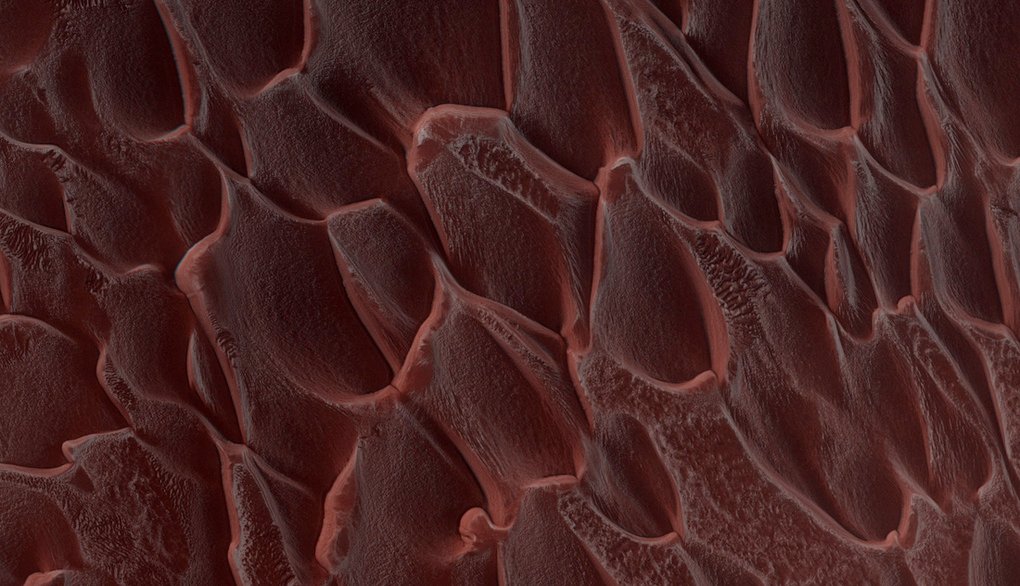

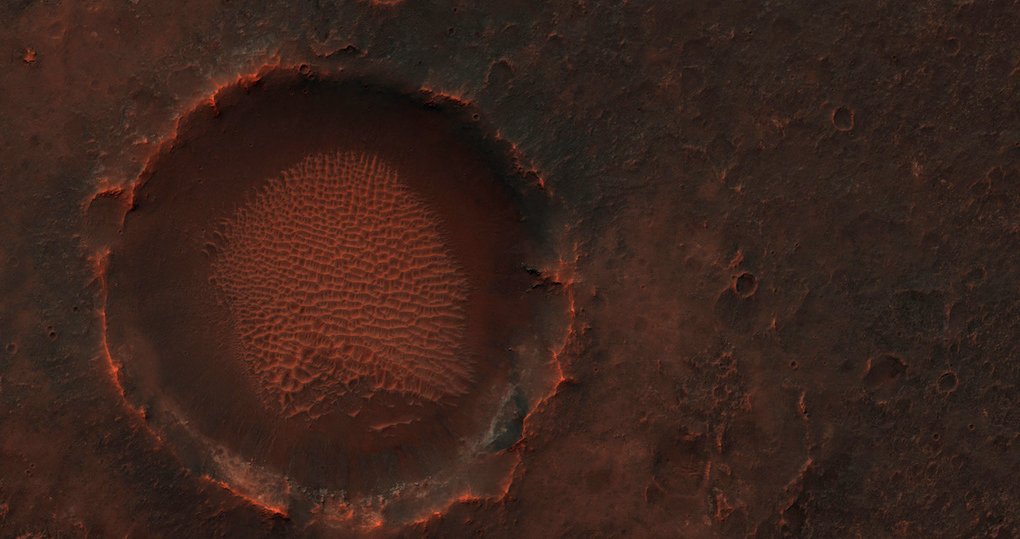
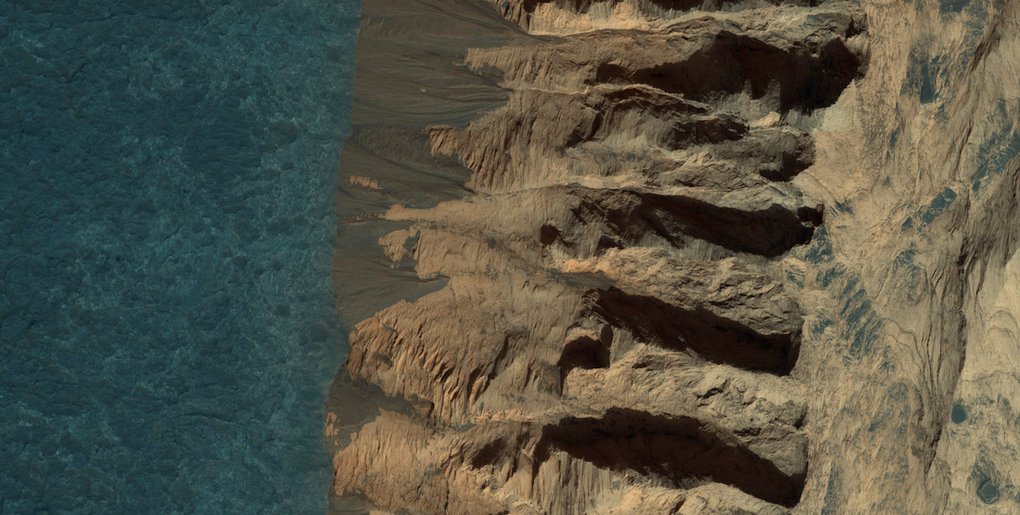

Alien frontier: see the haunting, beautiful weirdness of Mars
Mounted to the Mars Reconnaissance Orbiter as it floats high above the red planet is the HiRISE telescope, an imaging device capable of taking incredibly high-resolution photos of the martian landscape. It’s sent back nearly 30,000 photos during its time above the planet, which have been used by NASA to find clear landing spots for rovers, and by researchers to learn more about the features of Mars’ surface.
via thisistheverge
Sad fate of the broken telescope — NASA is calling off all attempts to fix the crippled Kepler space telescope. But it’s not quite ready to call it quits on the robotic planet hunter. Officials said Thursday, Aug. 15, 2013 they’re looking at what science might be salvaged by using the broken spacecraft as is. (AP Photos/NASA, File)
🙁
With close to a thousand confirmed exoplanets and thousands upon thousands upon thousands of candidates, WE NEED TO REPLACE THIS FUCKING THING. IT’S VERY IMPORTANT.
this was so sweet i just had to turn it off and go to sleep
sometimes i just get really emotional about cosmos and carl sagan
and by sometimes i mean like every second of every day idk help
Sagan was such an awesome guy.
NASA Probe to Solve Mars Atmosphere Mystery
The Mars Atmosphere and Volatile Evolution mission, nicknamed MAVEN, is designed to provide some answers as to why Mars’ atmosphere was stripped into space. From its orbital perch around Mars, MAVEN will track how the solar wind picks away at the planet’s thin atmosphere. The information will then be used to create computer models that move backward in time so scientists can determine when the planet was most suited for life and how long that period lasted. Read more
Robotic ape uses complex feet to move on all fours
To keep the arms and legs in sync and properly touching the ground, the DFKI outfitted each foot and hand with a variety of sensors. Force sensors allow the robot to detect how it’s aligned and moving, and proximity sensors allow it to properly step and make sure that it doesn’t run into anything. Temperature and acceleration sensors are built into the robot elsewhere.
