Blog

Tag: science

  • May 8th, 2017 3:35pm

    We want everyone on earth to have a scientific view of the world. This is not to say that everyone should become a full-time professional scientist or researcher. But we want everyone to be literate enough with respect to science that he or she can make good judgments. As I say all the time — science is political. It’s always been political, it’s just not partisan. And I’m not splitting hairs here, these are two very different things. Our policies, what we do with our intellect and treasure, as a society, depends on science whether you’re aware of it or not. What the Department of Agriculture does, what the military does, what National Aeronautics and Space Administration does — all depends on making decisions about how to allocate resources that we hope are informed by the process of science.

    — Bill Nye
    (via bernieforthepeople)

  • February 6th, 2016 5:58pm

    There’s a growing anti-intellectual strain that is growing in this country. It may be the beginning of the end of our informed democracy. In a free society, you can and should think whatever you want. If you want to think the Earth is flat, go right ahead. But if you think the Earth is flat and you have influence over others, as would successful rappers or even presidential candidates, then being wrong becomes being harmful to the health, the wealth and the security of our citizenry.

    Neil deGrasse Tyson responding to rapper B.o.B. regarding his Flat Earth, conspiracy-theory propaganda rant via Twitter (see it via the Daily Show here)

  • October 7th, 2015 9:52pm

    antikythera-astronomy:

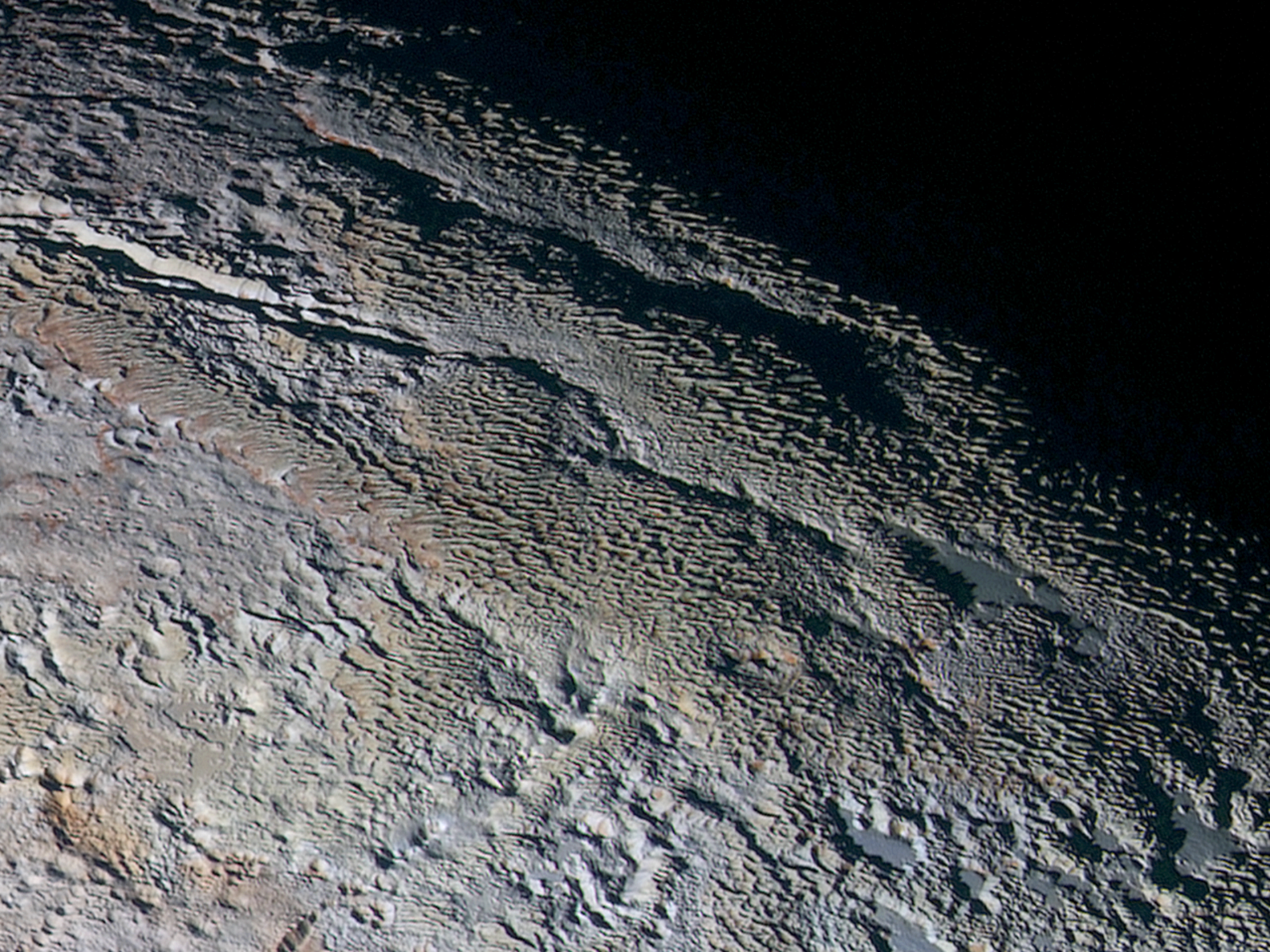
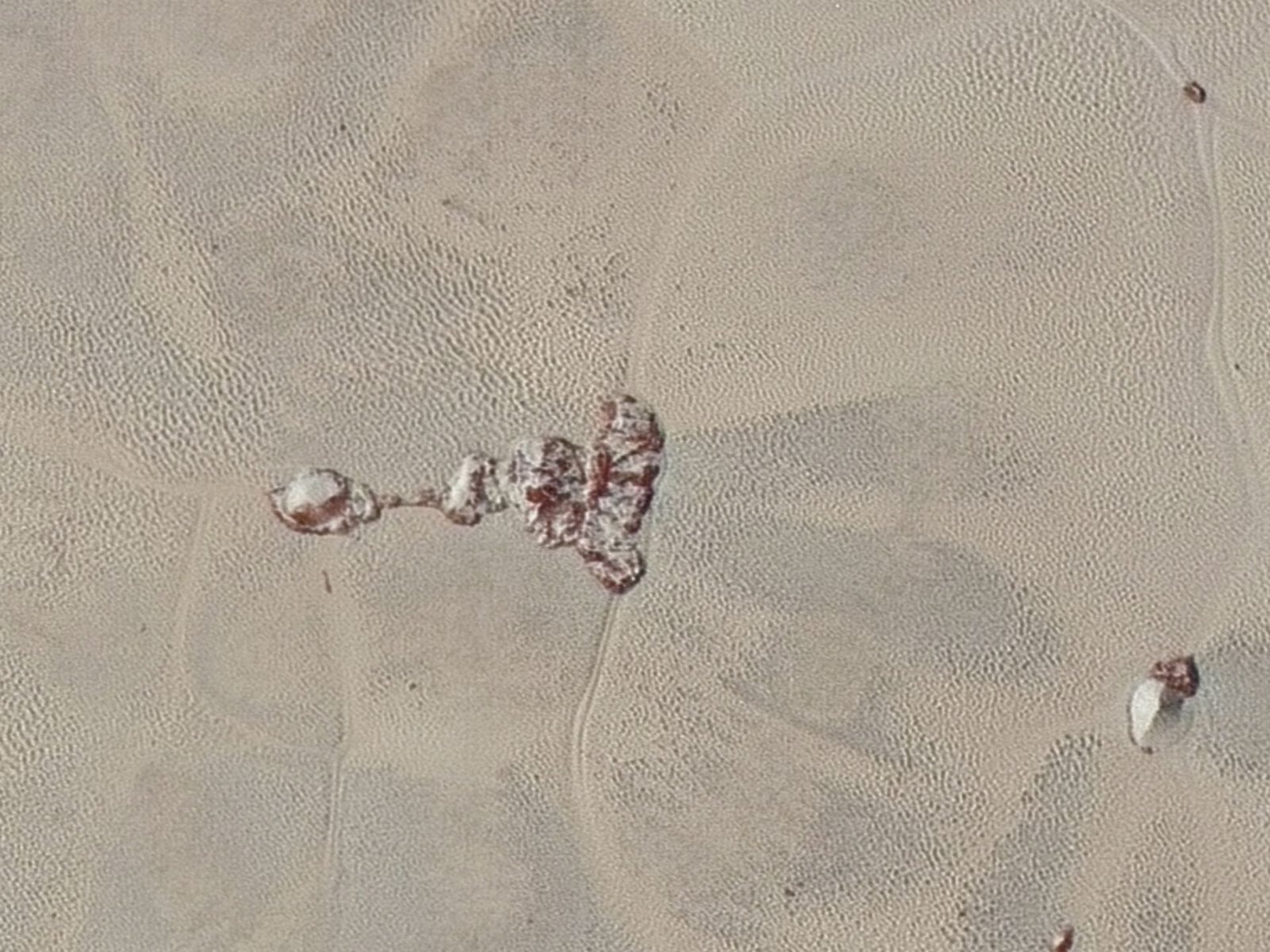
    New Images of Pluto

    NASA’s released new images captured of the surface of Pluto. This includes regions of scale-like texture (top) and a strange, textured surface surrounding some ice mountains (bottom).

    Over the course of the next year, NASA will be receiving pictures from the Pluto exploration spacecraft, New Horizons.

    (Image credit: NASA/JHUAPL/SWRI)


  • August 26th, 2015 8:09pm

    sci-universe:

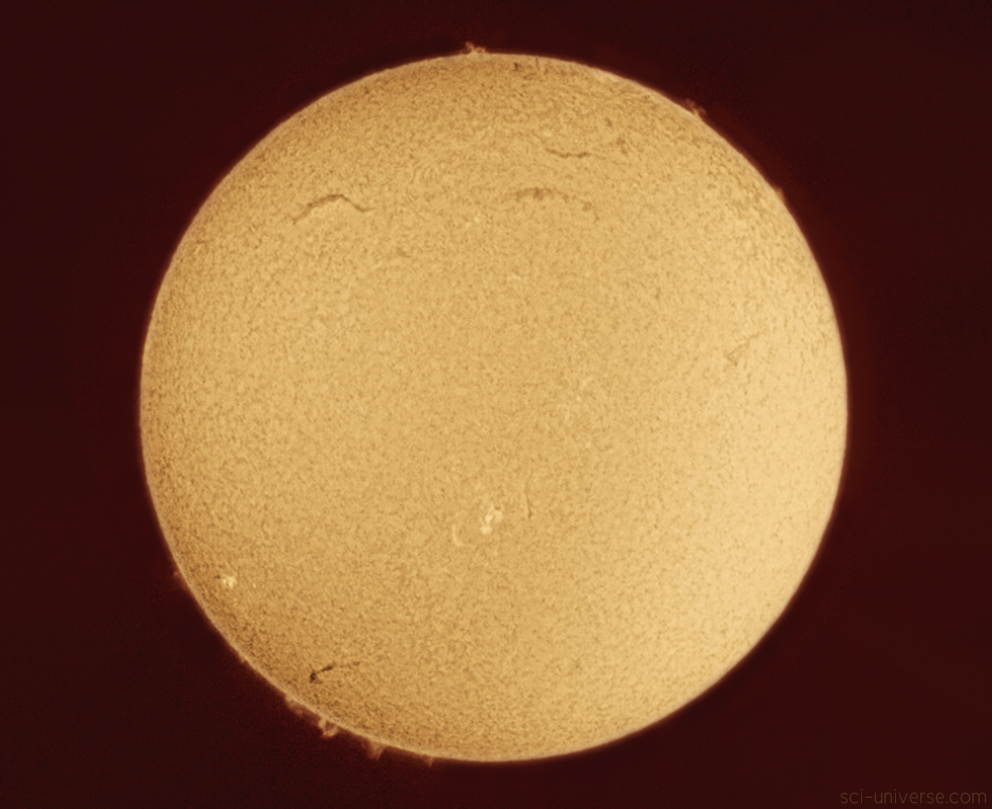
    Here’s another view of the Sun of 13th August. On it, you can spot several dark lines – filaments, which are large regions of very cool gas

    usually above the chromosphere (second of the three main layers in the Sun’s atmosphere).
    But if they appear on the “edge” of the Sun, they look like flames as they’re brighter than the dark outer space behind them. In that case we call them prominences and you can see many of them as well.
    The third thing to notice are those bright spots called plages after the French word for “beach”.

    You can see the equipment (belonging to this astronomer) I took this image with over at Sci-Universe’s instagram account


  • August 6th, 2014 1:32am

    spaceplasma:

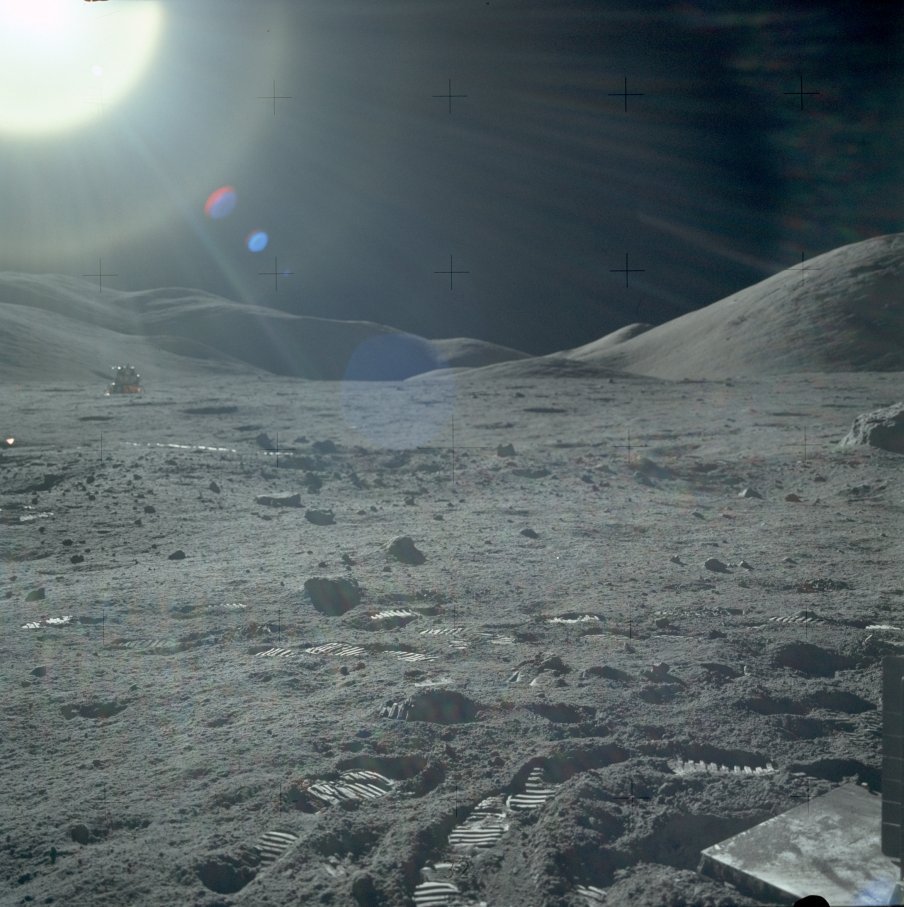
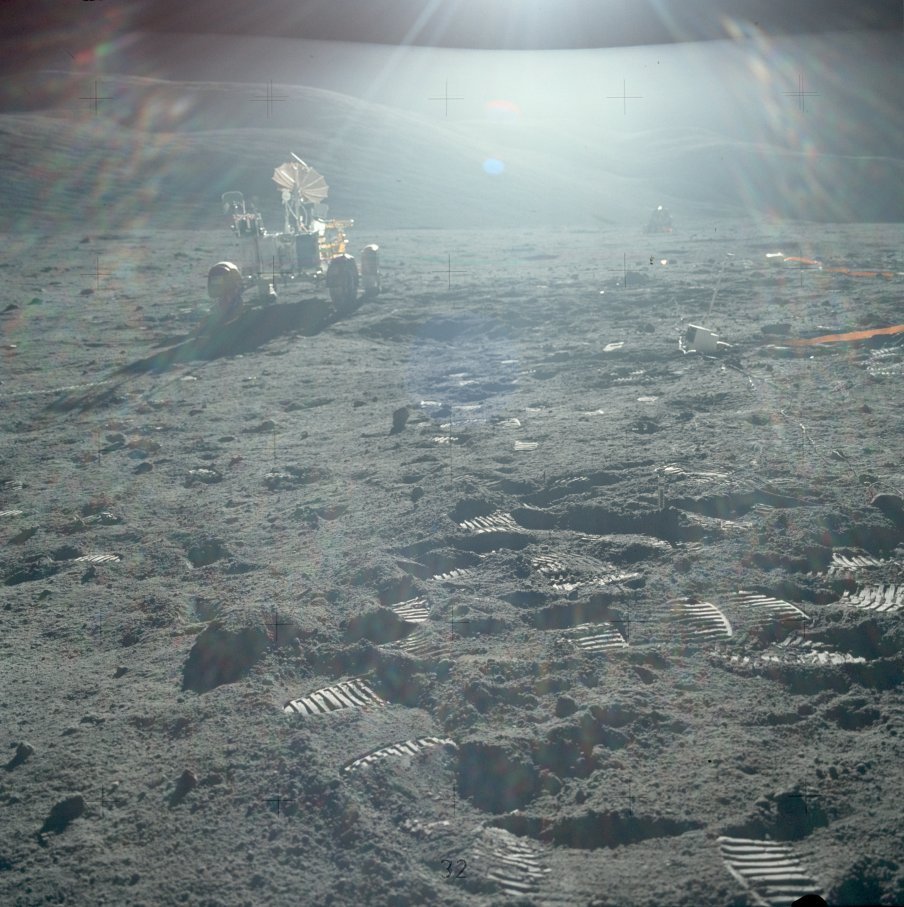
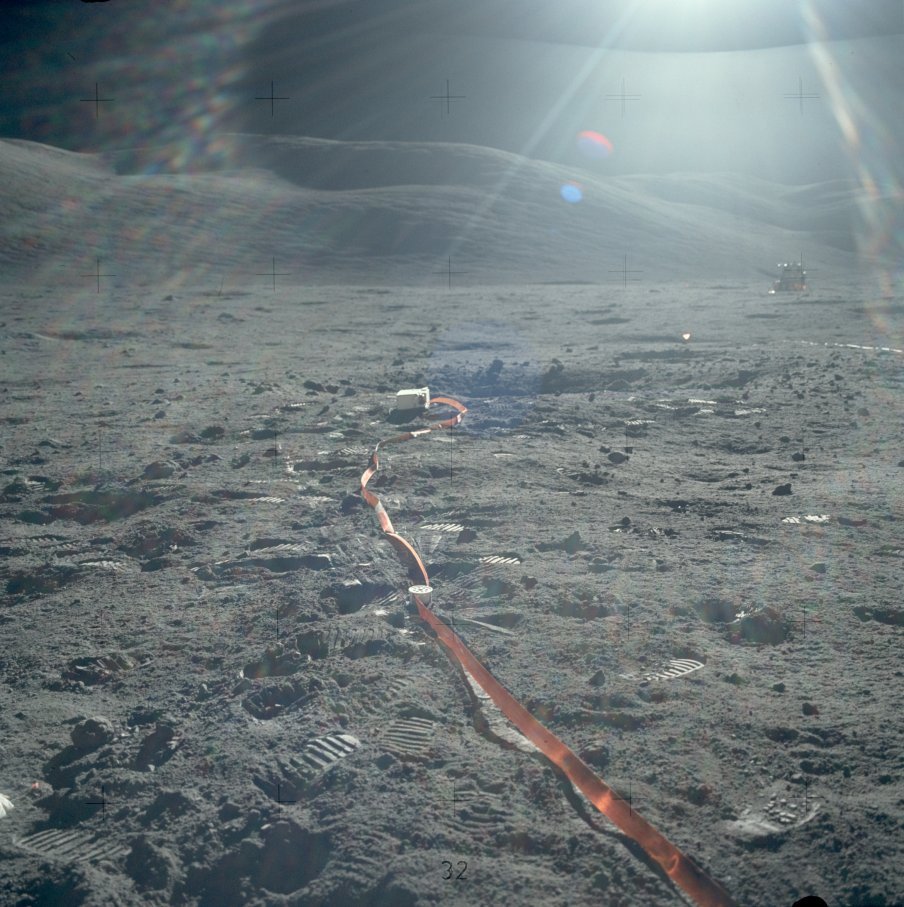
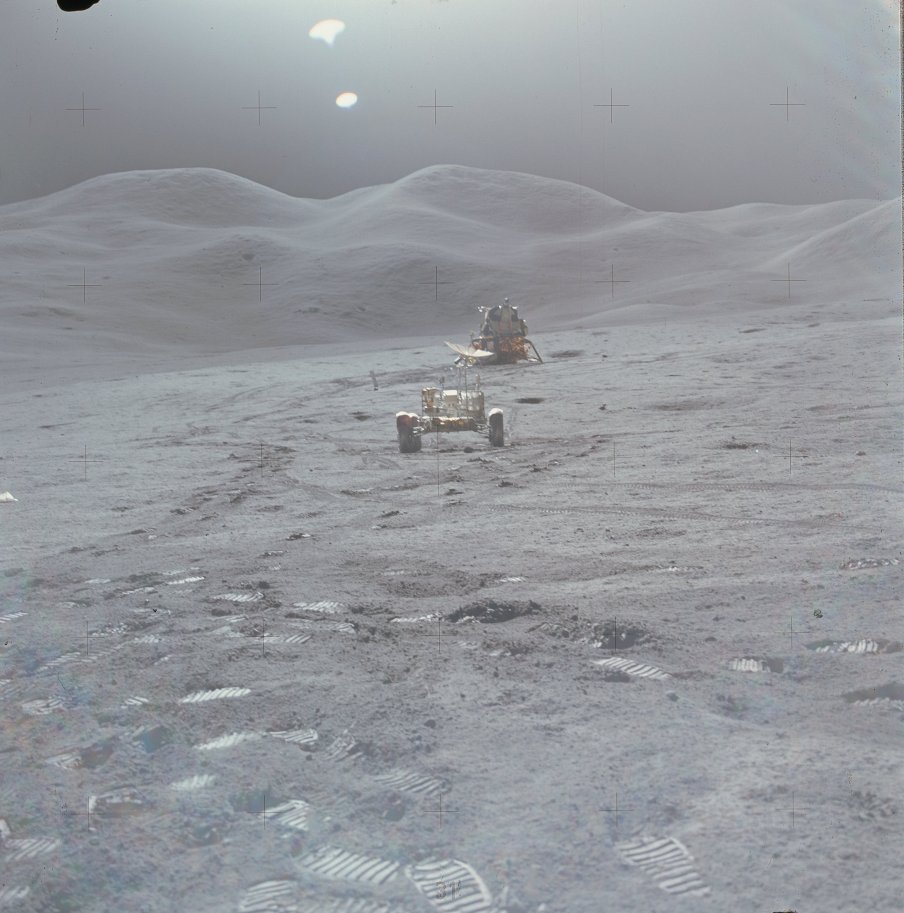
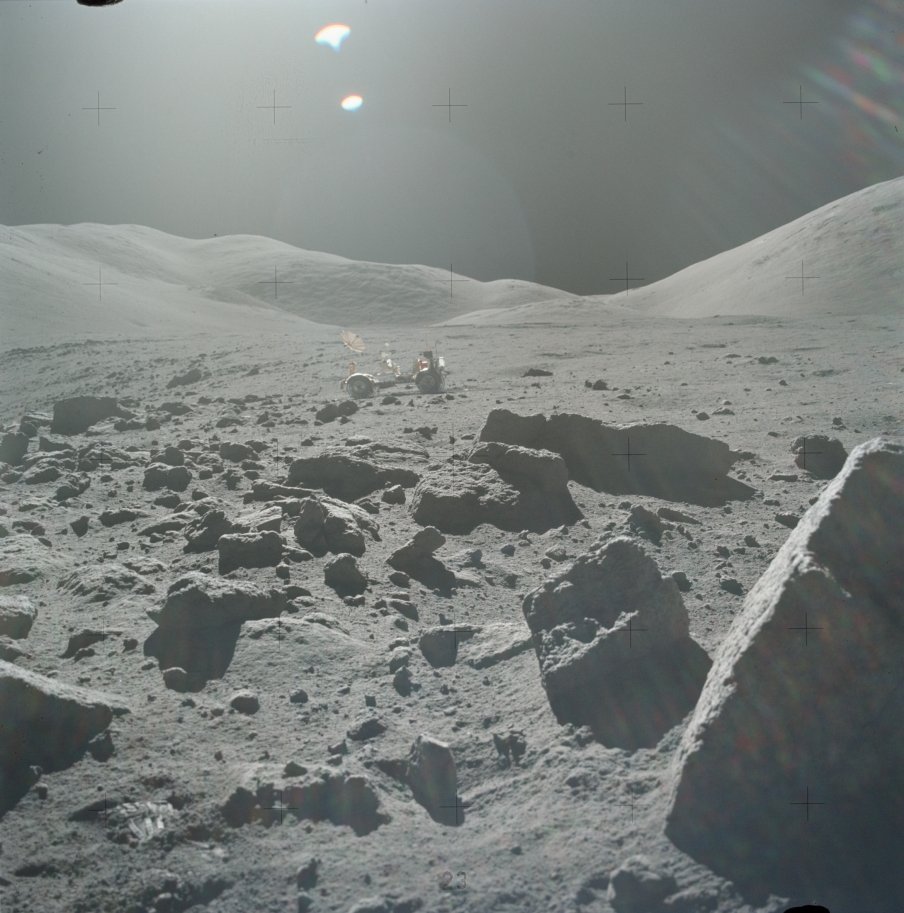
    The Moon’s Fragile Atmosphere

    The moon orbits the earth with a period of four weeks ( a month) and during the orbit it always has the same side facing the earth. So this means that on the moon there is day and night, but they are both two weeks long instead of 24 hours.

    The Moon’s daylight is brighter and harsher than the Earth’s. There is no atmosphere to scatter the light, no clouds to shade it, and no ozone layer to block the sunburning ultraviolet light. However, there is a very, very thin layer of gases on the lunar surface that can almost be called an atmosphere. Technically, it’s considered a surface boundary exosphere.

    One of the critical differences between the atmospheres of Earth and the moon is how atmospheric molecules move. Here in the dense atmosphere at the surface of Earth, the molecules’ motion is dominated by collisions between the molecules.The exosphere is so thin that molecules in the lunar exosphere almost never collide with each other. During the lunar night, the Moon’s exosphere mostly falls to the ground. When sunlight returns, the solar wind kicks up new particles to replenish the exosphere.

    The intense ultraviolet sunlight kicks electrons off particles in the lunar soil, giving those particles an electric charge that can cause them to levitate. Ambient electric fields lift these charged dust particles as high as kilometers above the surface, forming an important part of the exosphere. Moon dust wrecked havoc with the Apollo spacesuits, which were nearly threadbare by the time they returned to Earth. Levitating dust can get into equipment, spacesuits, and computers, causing damage and shortening the hardware’s useful life. Knowing how much dust is floating around in the exosphere and how it behaves will help engineers design next-generation lunar hardware.

    Credit: NASA


  • May 30th, 2014 9:00pm

    sagansense:

    A new NASA study shows Earth’s climate likely will continue to warm during this century on track with previous estimates, despite the recent slowdown in the rate of global warming.

    This research hinges on a new and more detailed calculation of the sensitivity of Earth’s climate to the factors that cause it to change, such as greenhouse gas emissions. Drew Shindell, a climatologist at NASA’s Goddard Institute for Space Studies in New York, found Earth is likely to experience roughly 20 percent more warming than estimates that were largely based on surface temperature observations during the past 150 years.

    To put a number to climate change, researchers calculate what is called Earth’s “transient climate response.” This calculation determines how much global temperatures will change as atmospheric carbon dioxide continues to increase – at about 1 percent per year — until the total amount of atmospheric carbon dioxide has doubled. The estimates for transient climate response range from near 2.52 F (1.4 C) offered by recent research, to the IPCC’s estimate of 1.8 F (1.0 C). Shindell’s study estimates a transient climate response of 3.06 F (1.7 C), and determined it is unlikely values will be below 2.34 F (1.3 C).

    Shindell’s paper further focuses on improving our understanding of how airborne particles, called aerosols, drive climate change in the Northern Hemisphere. Aerosols are produced by both natural sources – such as volcanoes, wildfire and sea spray – and sources such as manufacturing activities, automobiles and energy production. Depending on their make-up, some aerosols cause warming, while others create a cooling effect. In order to understand the role played by carbon dioxide emissions in global warming, it is necessary to account for the effects of atmospheric aerosols.

    “Working on the IPCC, there was a lot of discussion of climate sensitivity since it’s so important for our future,” said Shindell, who was lead author of the IPCC Fifth Assessment Report’s chapter on Anthropogenic and Natural Radiative Forcing. “The conclusion was that the lower end of the expected warming range was smaller than we thought before. That was a big discussion. Yet, I kept thinking, we know the Northern Hemisphere has a disproportionate effect, and some pollutants are unevenly distributed. But we don’t take that into account. I wanted to quantify how much the location mattered.”

    Shindell’s climate sensitivity calculation suggests countries around the world need to reduce greenhouse gas emissions at the higher end of proposed emissions reduction ranges to avoid the most damaging consequences of climate change. “I wish it weren’t so,” said Shindell, “but forewarned is forearmed.”

    Continue reading @ NASA


  • May 30th, 2014 8:42pm

    There must be no barriers for freedom of inquiry. There is no place for dogma in science. The scientist is free, and must be free to ask any question, to doubt any assertion, to seek for any evidence, to correct any errors.

    J. Robert Oppenheimer, The Open Mind, p. 114 (1955)

    Quoted by Carl R. Woese and Nigel Goldenfeld in “How the Microbial World Saved Evolution from the Scylla of Molecular Biology and the Charybdis of the Modern Synthesis” [Microbiol. Mol. Biol. Rev. March 2009 vol. 73 no. 1, p.14]

    (via mindblowingscience)


  • February 28th, 2014 3:56am

    thedemon-hauntedworld:

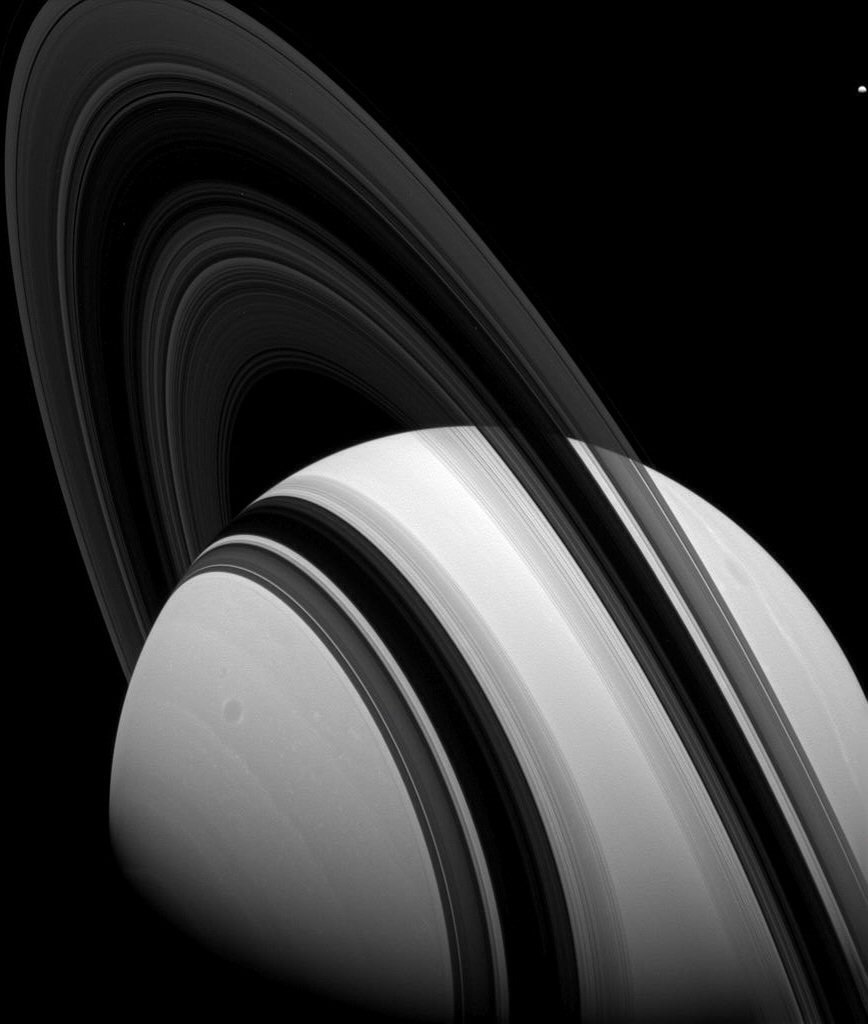
    Saturn’s Rings from the Dark Side
    From Earth, we usually see Saturn’s rings from the same side of the ring plane that the Sun illuminates them — one might call this the bright side. Geometrically, in the above picture taken in August by the robot Cassini spacecraft now orbiting Saturn, the Sun is behind the camera but on the other side of the ring plane. Such a vantage point gives a breathtaking views of the most splendid ring system in the Solar System. Strangely, the rings have similarities to a photographic negative of a front view. For example, the dark band in the middle is actually the normally bright B-ring. The ring brightness as recorded from different angles indicates ring thickness and particle density of ring particles. At the top right of the frame is Saturn’s moon Tethys, which although harder to find, contains much more mass than the entire ring system.

    Image Credit: Cassini Imaging Team, SSI, JPL, ESA, NASA