Blog

Tag: space

  • July 17th, 2012 1:13pm


    discoverynews:

    VARIES: The Fastest Starship to Proxima Centauri?

    The problem with space is that it’s big. Really, really big. To get to the nearest planet in our solar system takes months at best. But say if you wanted to travel to the nearest star?

    This question is currently being considered by a team of scientists and engineers from Icarus Interstellar Inc., one of a group of organizations chosen to spearhead DARPA’s 100 Year Star Ship (100YSS) project.

    The aim of 100YSS is to formulate plans to send humans to in interstellar destination — such as Proxima Centauri, a little over 4 light-years from Earth — within the next century.

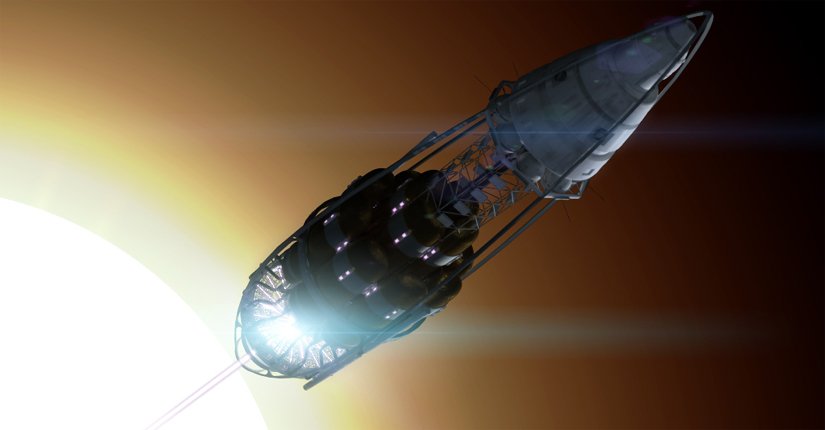
    But Richard Obousy, President and Co-Founder of Icarus Interstellar, introduced the Vacuum to Antimatter-Rocket Interstellar Explorer System (VARIES) — an unmanned prototype starship — to Discovery News readers on Monday as one of the projects Icarus is working on to make our interstellar dreams come true.

    With the help of the stunning artwork by Adrian Mann, take a look at how this futuristic technology may be able to unlock antimatter from the vacuum of space and use it to propel the ultimate interstellar spaceship.
    keep reading


  • July 11th, 2012 7:59pm


    reuters:

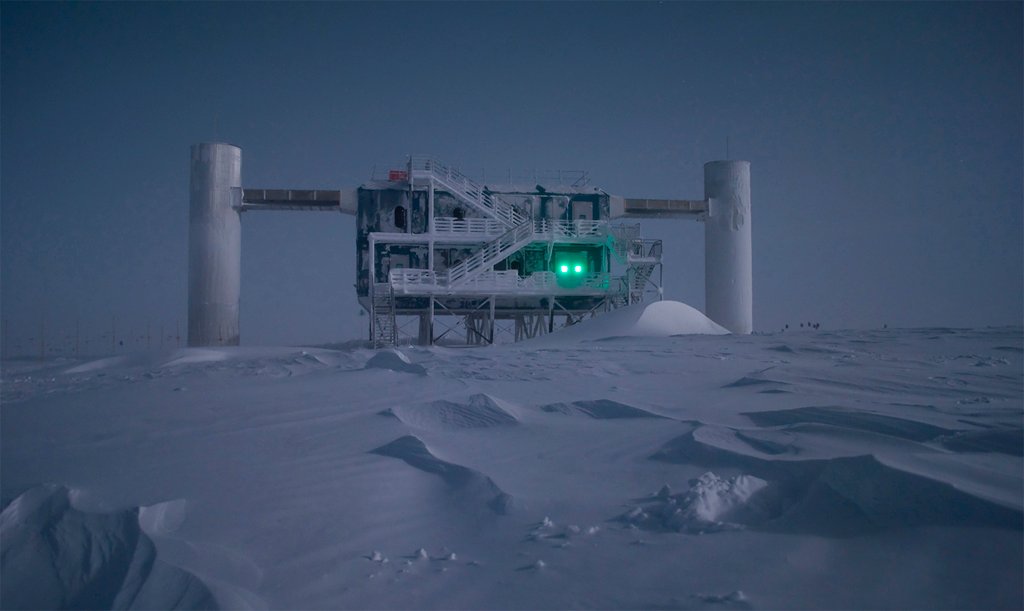
    Scientists are using the world’s biggest telescope, buried deep under the South Pole, to try to unravel the mysteries of tiny particles known as neutrinos, hoping to shed light on how the universe was made.

    The mega-detector, called IceCube, took 10 years to build 2,400 meters below the Antarctic ice. At one cubic km, it is bigger than the Empire State building, the Chicago Sears Tower – now known as Willis Tower – and Shanghai’s World Financial Center combined.

    Designed to observe neutrinos, which are emitted by exploding stars and move close to the speed of light, the telescope is attracting new attention in the wake of last week’s discovery of a particle that appears to be the Higgs boson – a basic building block of the universe.

    “You hold up your finger and a hundred billion neutrinos pass through it every second from the sun,” said Jenni Adams, a physicist at the University of Canterbury in New Zealand, who works on IceCube.

    READ ON: Giant ice telescope hunts for dark matter’s space secrets


  • June 28th, 2012 11:32am


    discoverynews:

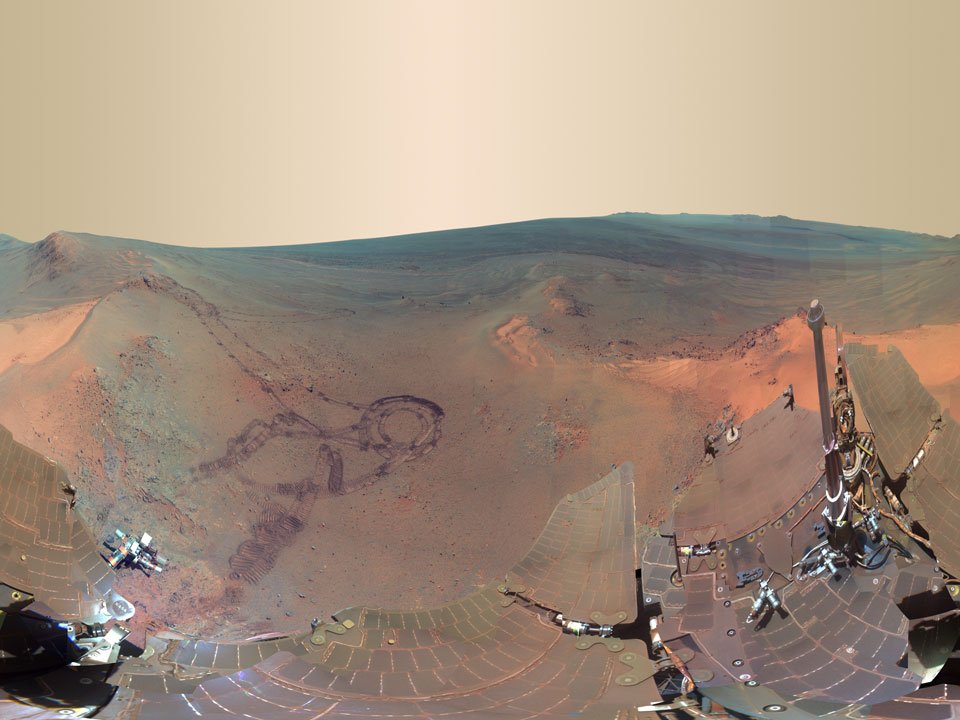
    Sniffing Out the Stench of Life on Mars

    The search for life on Mars trundles on and, beside a few tantalizing hints, we still don’t know if the Red Planet could ever have played host to the most basic of life forms.

    Why are we having such a hard time? Well, potential abodes for tiny Martians are (or were) likely deep underground, so we need to be smart and look for secondary indications of microbial alien life. And what better way to find aliens than to sniff them out, literally?

    keep reading