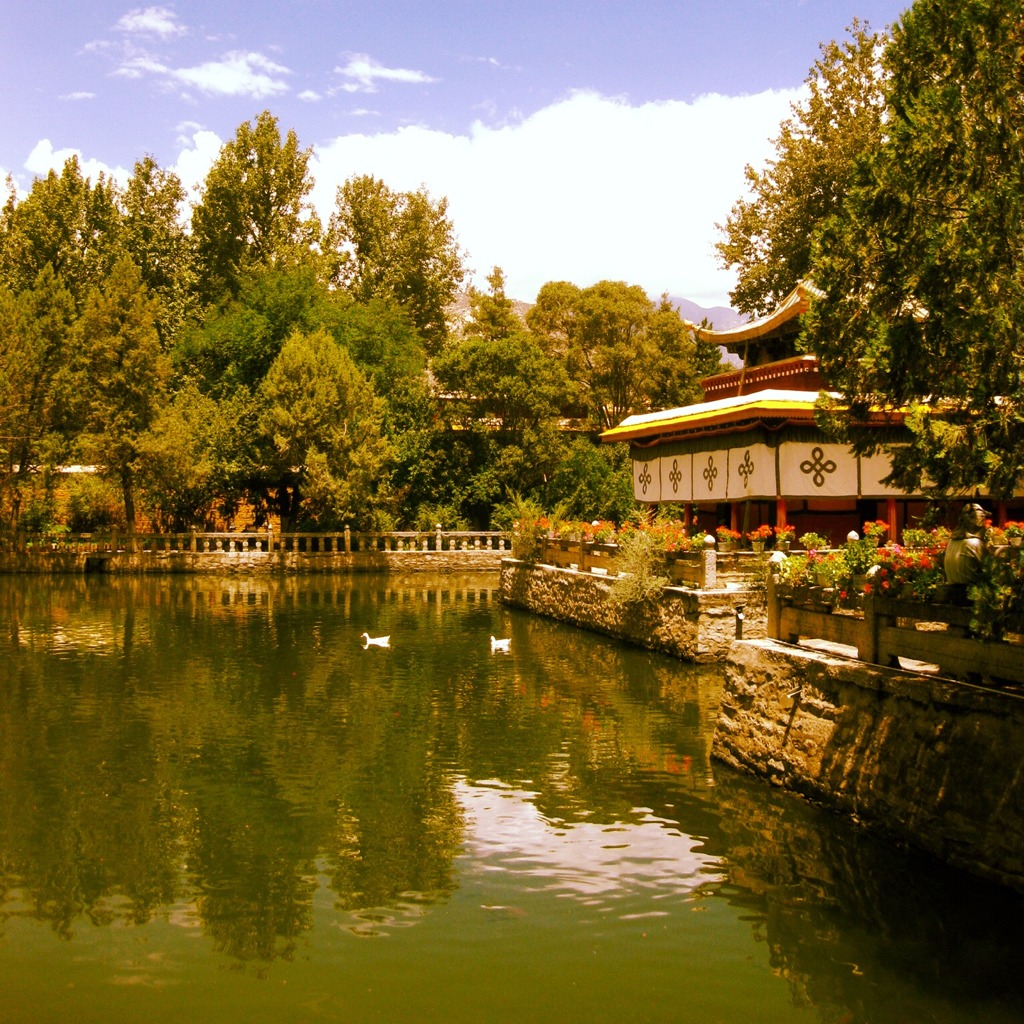
[photo: norbulingka summer palace, lhasa, tibet]

[photo: norbulingka summer palace, lhasa, tibet]
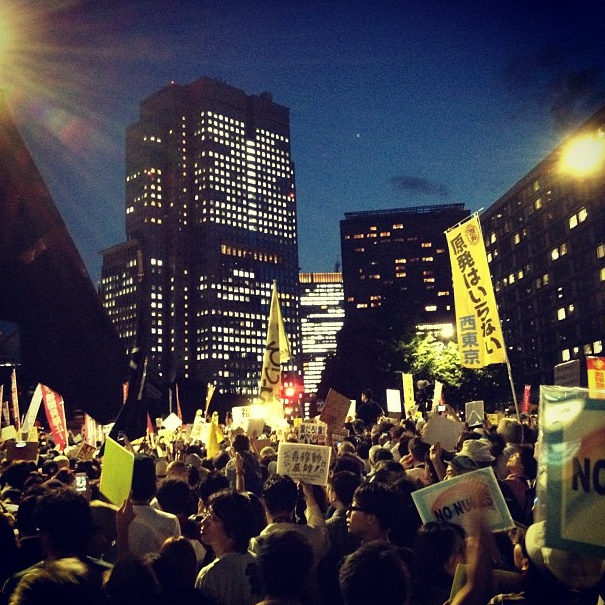
Thousands of protesters gathered in front of the Japanese prime minister’s house on Friday to protest the government’s decision to reopen a nuclear power plant in western Japan.
Protests are uncommon in Japan, but the decision to reactivate the Ohi power station 16 months after the tsunami that caused a meltdown at the Fukushima power plant has set of a series of demonstrations across the country.
The Ohi reactor is scheduled to be reactivated on Sunday.
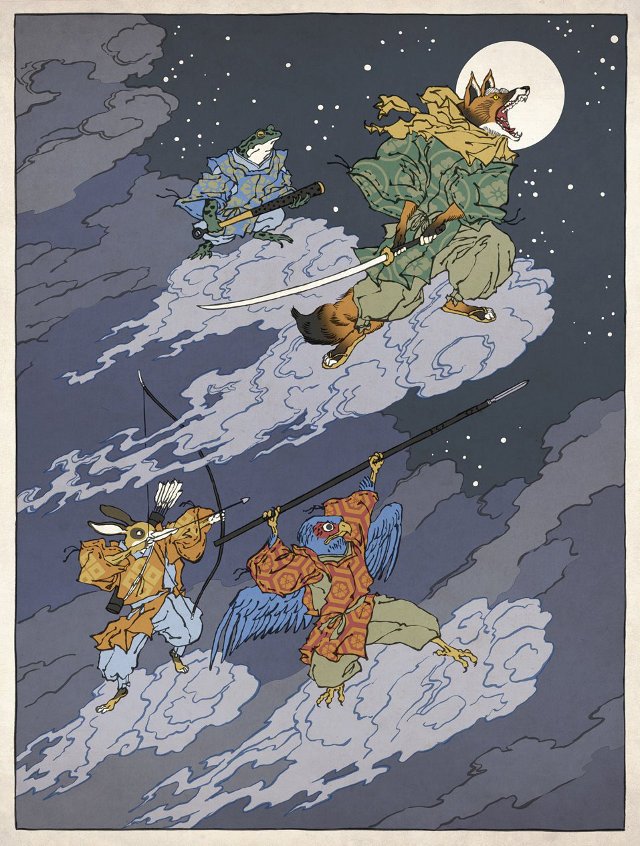
I don’t know if I can handle this, honestly.
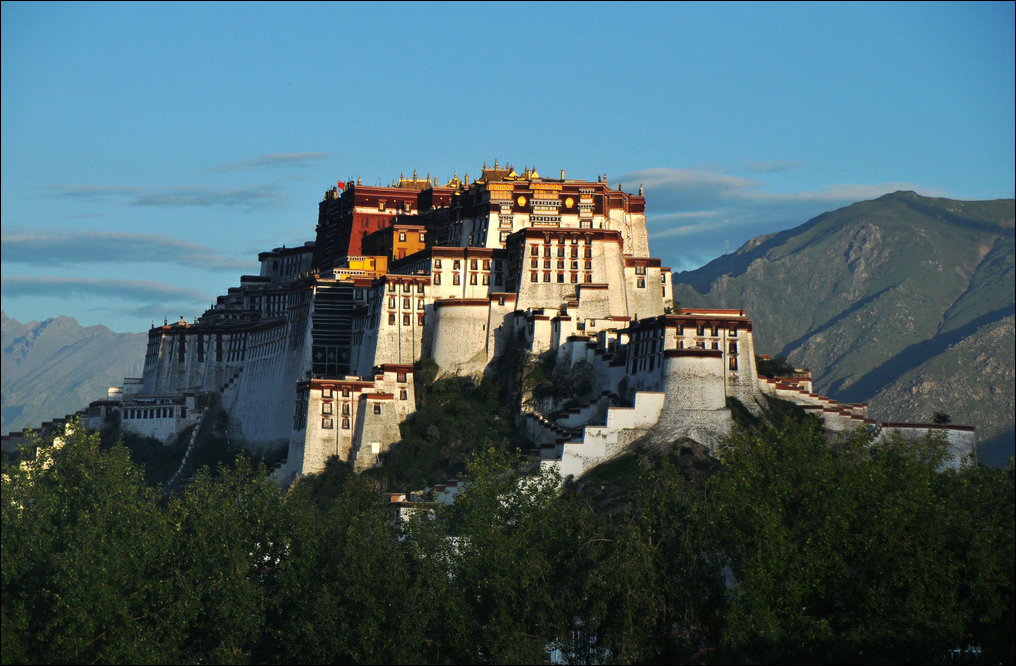
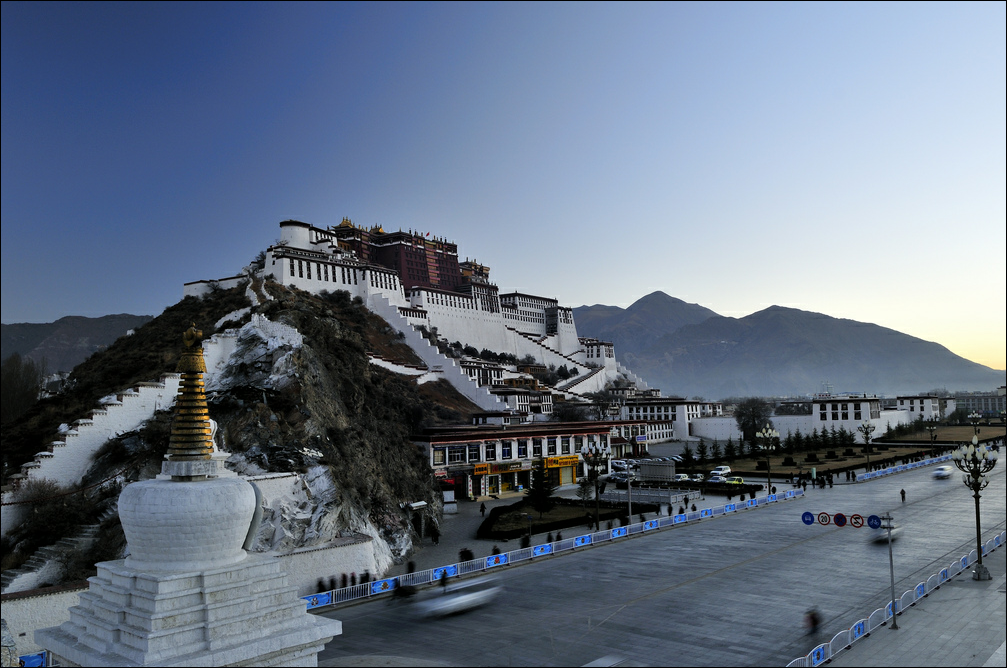
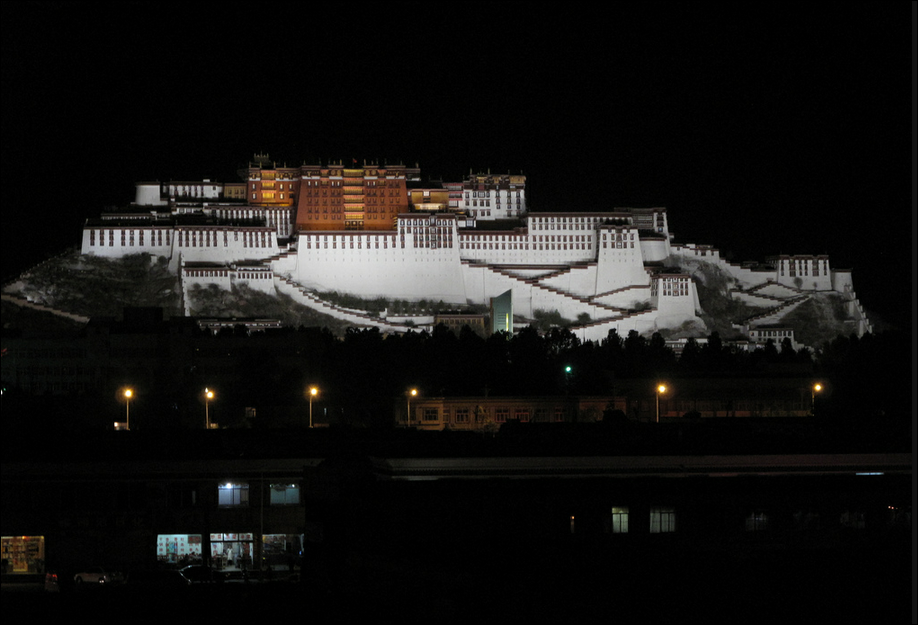
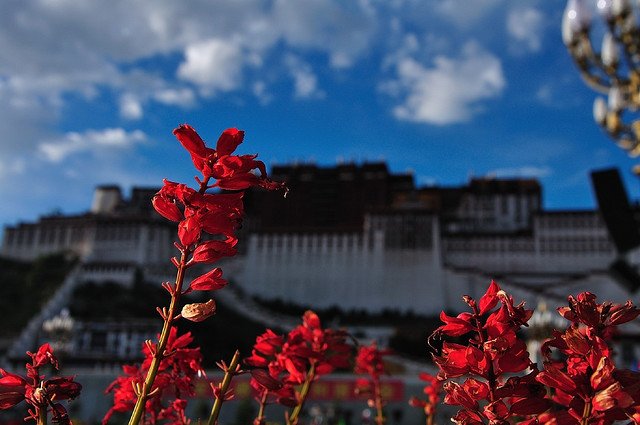
Potala palace
The Potala Palace, winter palace of the Dalai Lama since the 7th century, symbolizes Tibetan Buddhism and its central role in the traditional administration of Tibet. The complex, comprising the White and Red Palaces with their ancillary buildings, is built on Red Mountain in the centre of Lhasa Valley, at an altitude of 3,700m. The Potala Palace used to be such a sacred place that it was beyond the reach of the common Tibetans. They could only worship on the square at the foot of the hill. After the fourteenth Dalai Lama fled to India in 1959, the central government turned the Potala Palace into a state museum of historic relics and opened it to the public. Now it is one of the most attractive tourist sites in China and is also a site listed in the World’s Cultural and Natural Heritage by UNESCO.

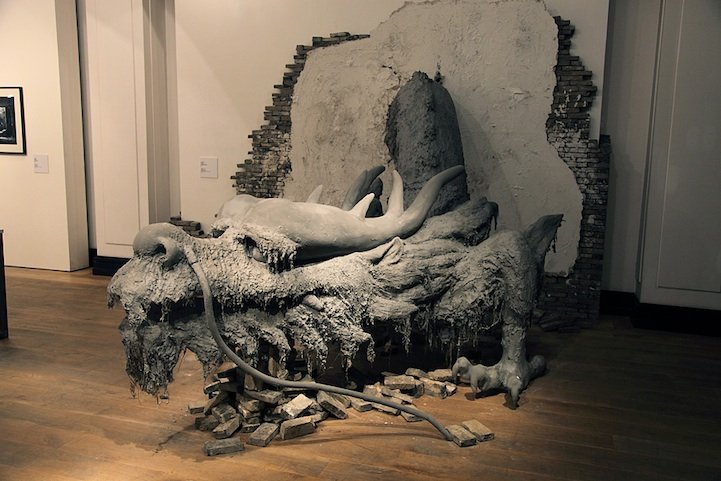
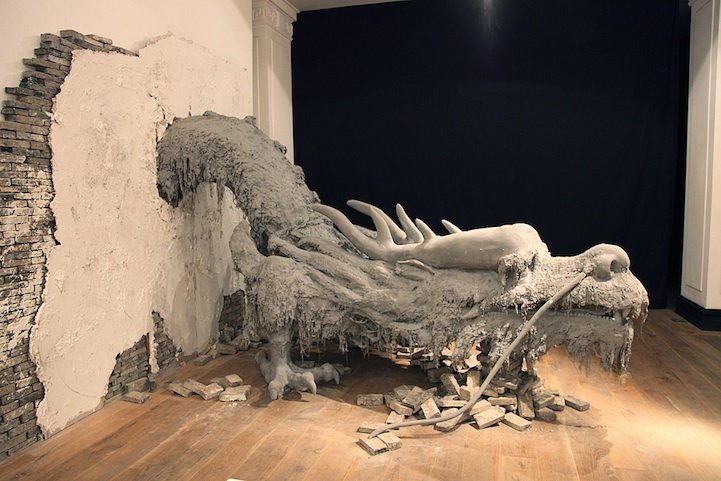
Yang Yongliang
“In this circumstance, I made a metaphorical creation of an escaping dragon, which is constricted to death, wanting to get rid of the enclosed wall.”