Tag: discoverynews
-
-
December 7th, 2012 12:20am
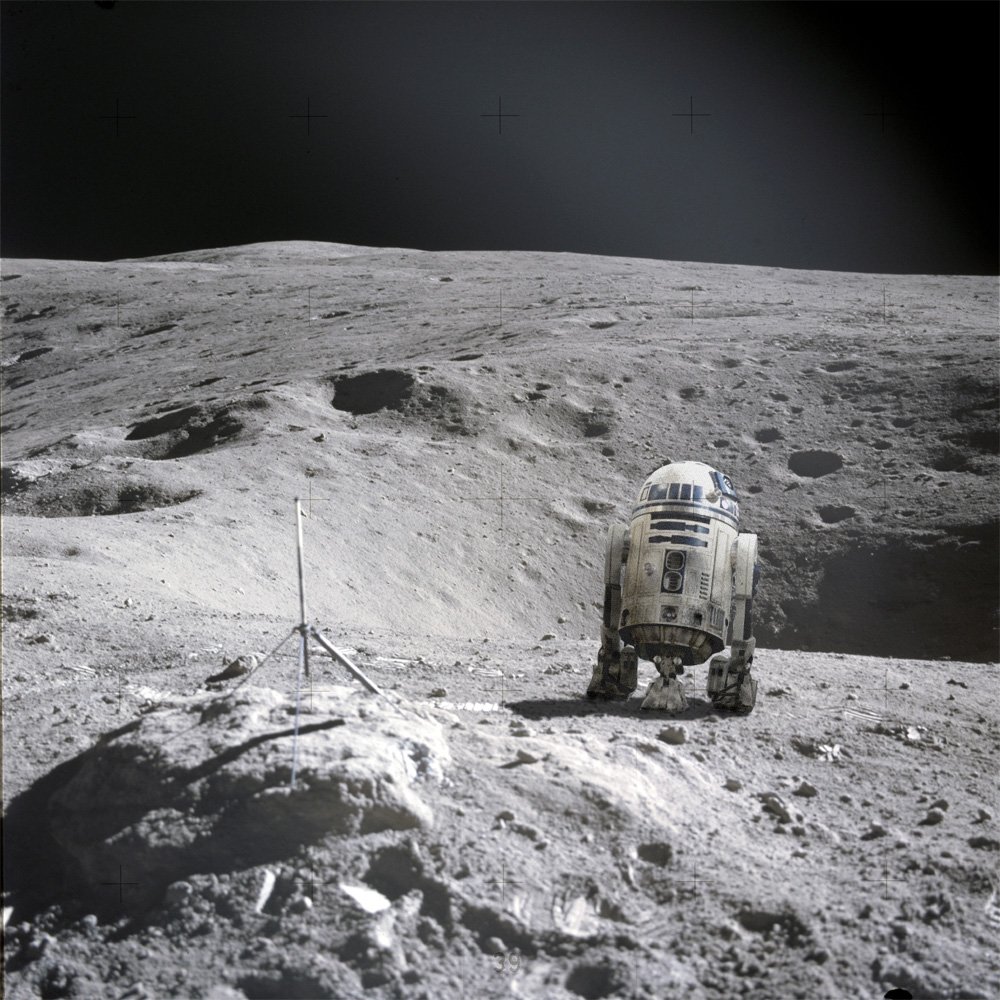
Apollo Veteran: Skip Asteroid, Go to the Moon: It’s 40 years to the day that the final mission to the moon launched. Discovery News speaks with Apollo 17 astronaut and geologist Harrison “Jack” Schmitt about where he thinks the Earth’s only satellite came from and why he thinks a NASA manned asteroid mission is a mistake.
“I think an asteroid is a diversion, if the ultimate goal is to get to Mars, you have a satellite only three days away that has a great deal of science as well as resources. The science of the moon has just been scratched. We’ve hardly explored the moon.” — Schmitt
-
November 25th, 2012 7:45pm
The American science programs that landed the first man on the moon, found cures for deadly diseases and bred crops that feed the world now face the possibility of becoming relics in the story of human progress.— from “US Science Could Face Fiscal Cliff Doom” by Tim Wall. (via discoverynews)
-
November 16th, 2012 11:40am
Artificial Muscle Stronger Than the Real Thing: They’re small but mighty. The tiny artificial muscles created by an international team of researchers are 200 times stronger than human muscle fibers of comparable size. In the future, improved versions of the muscles could go into the next generation of movers and doers. Go flex those artificial muscles and read more…
This is both exciting and horrifying.
-
September 7th, 2012 7:50am
“Think of it as lowering the threshold of flight, down to the domain of ATV’s.”
Who wants one?! (I do!)
Hover Vehicle Being Tested For All-Terrain Use
The lack of hovercrafts in this day and age is often lamented in the tech community. But now Aeroflex, a high-tech company based in California, is testing an aerial vehicle that uses two ducted rotors to hover above the ground.
-
August 1st, 2012 2:33pm
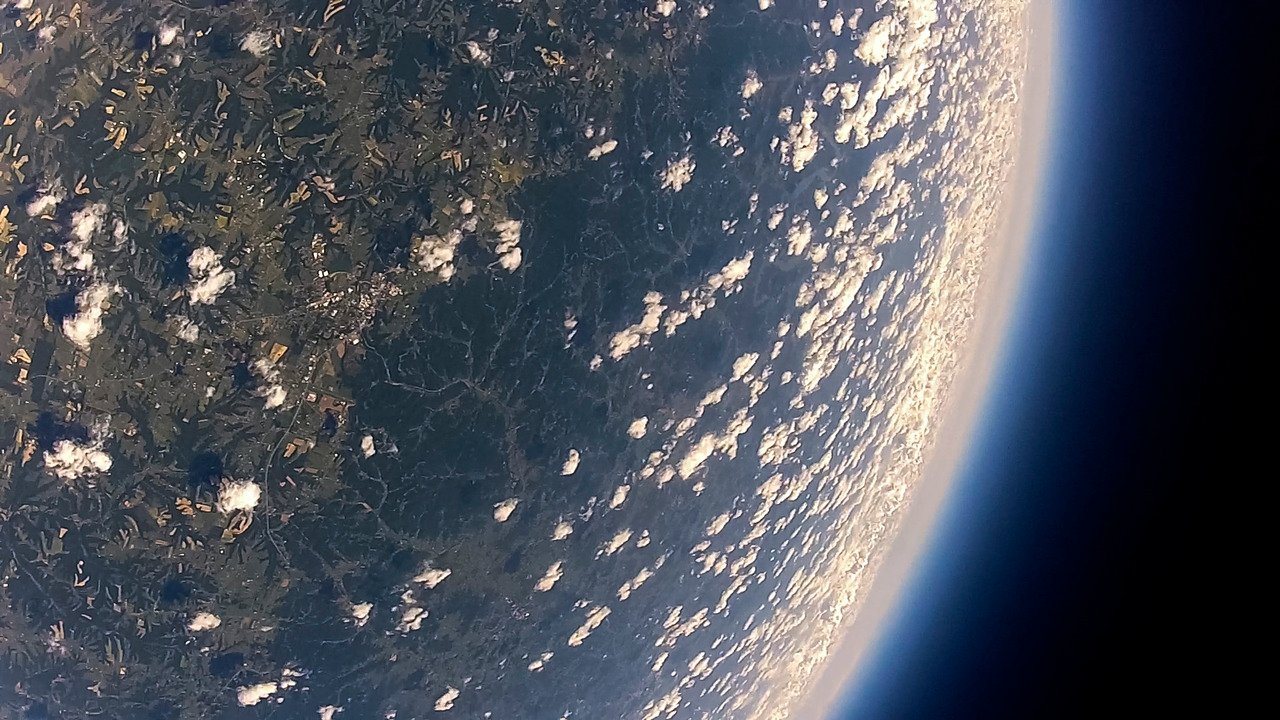
Way to go girls! This is an amazing project.
They made it! Six girls from Kentucky brought back high resolution footage from 118,000 feet in the air, using only a camera and a homemade satellite. How cool is that?
They posted some early images on their project page — check ‘em out here.
woah, those are some epic pictures.
-
July 24th, 2012 12:00am
The Pioneer Anomaly: a Wild Goose Chase?
Everyone loves a good mystery. And, some science mysteries are so strange that they take on legendary status.
The so-called Pioneer Anomaly — which at first seemed to challenge the laws of physics — is a case study of when it’s best to bank on the simplest explanation for even the weirdest of observations.
-
July 23rd, 2012 11:37pm


Man-Made, Floating Island For Sale
An Austrian firm has come up what it hopes is the next big thing for the mega-rich: a man-made, floating “island” with a list price of 5.2 million euros ($6.5 million), the company’s founder told AFP Monday.
Measuring 20 by 37 meters (66 by 121 feet), the “Orsos Island” has no engine but can be anchored anywhere.
-
July 17th, 2012 1:13pm
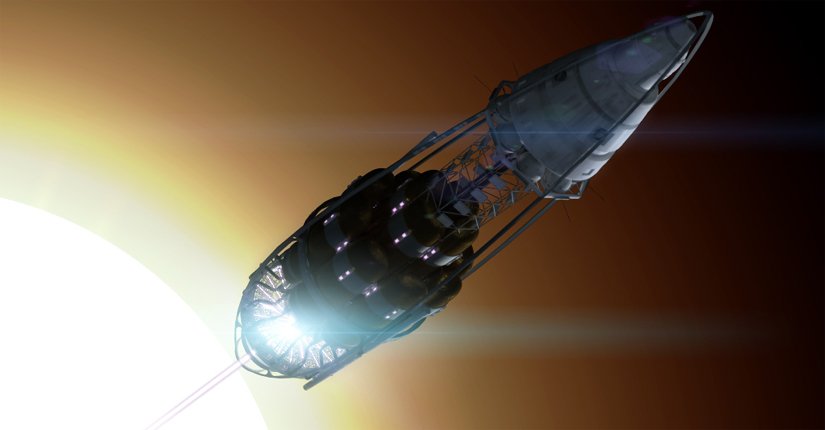
VARIES: The Fastest Starship to Proxima Centauri?
The problem with space is that it’s big. Really, really big. To get to the nearest planet in our solar system takes months at best. But say if you wanted to travel to the nearest star?
This question is currently being considered by a team of scientists and engineers from Icarus Interstellar Inc., one of a group of organizations chosen to spearhead DARPA’s 100 Year Star Ship (100YSS) project.
The aim of 100YSS is to formulate plans to send humans to in interstellar destination — such as Proxima Centauri, a little over 4 light-years from Earth — within the next century.
But Richard Obousy, President and Co-Founder of Icarus Interstellar, introduced the Vacuum to Antimatter-Rocket Interstellar Explorer System (VARIES) — an unmanned prototype starship — to Discovery News readers on Monday as one of the projects Icarus is working on to make our interstellar dreams come true.
With the help of the stunning artwork by Adrian Mann, take a look at how this futuristic technology may be able to unlock antimatter from the vacuum of space and use it to propel the ultimate interstellar spaceship.
-
July 12th, 2012 4:11pm
… scientists cut open the stomachs of 67 northern fulmars, a type of seabird, which had died and been beached on the coasts of British Columbia, Washington and Oregon […] Nearly 93 percent of the birds harbored plastic in their stomachs, the research team reported in the journal Marine Pollution Bulletin. And each bird contained an average of nearly 37 pieces of plastic. One bird had 454 pieces in its stomach.
Read more of Emily Sohn’s article, “Pacific NW Seabirds Stuffed Full of Plastic”
So, so wrong.