Tag: astronomy
-
-
May 5th, 2017 8:10pm
-
March 7th, 2017 1:24pm
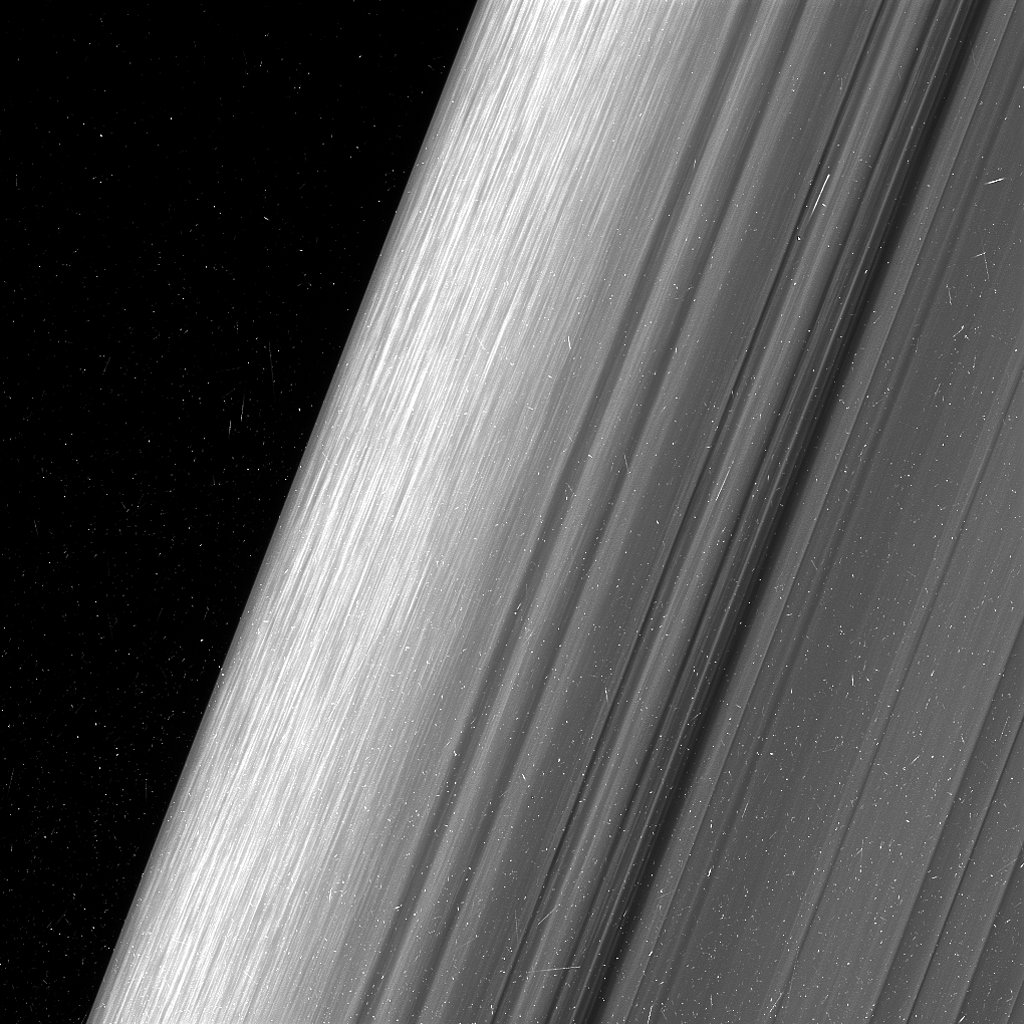
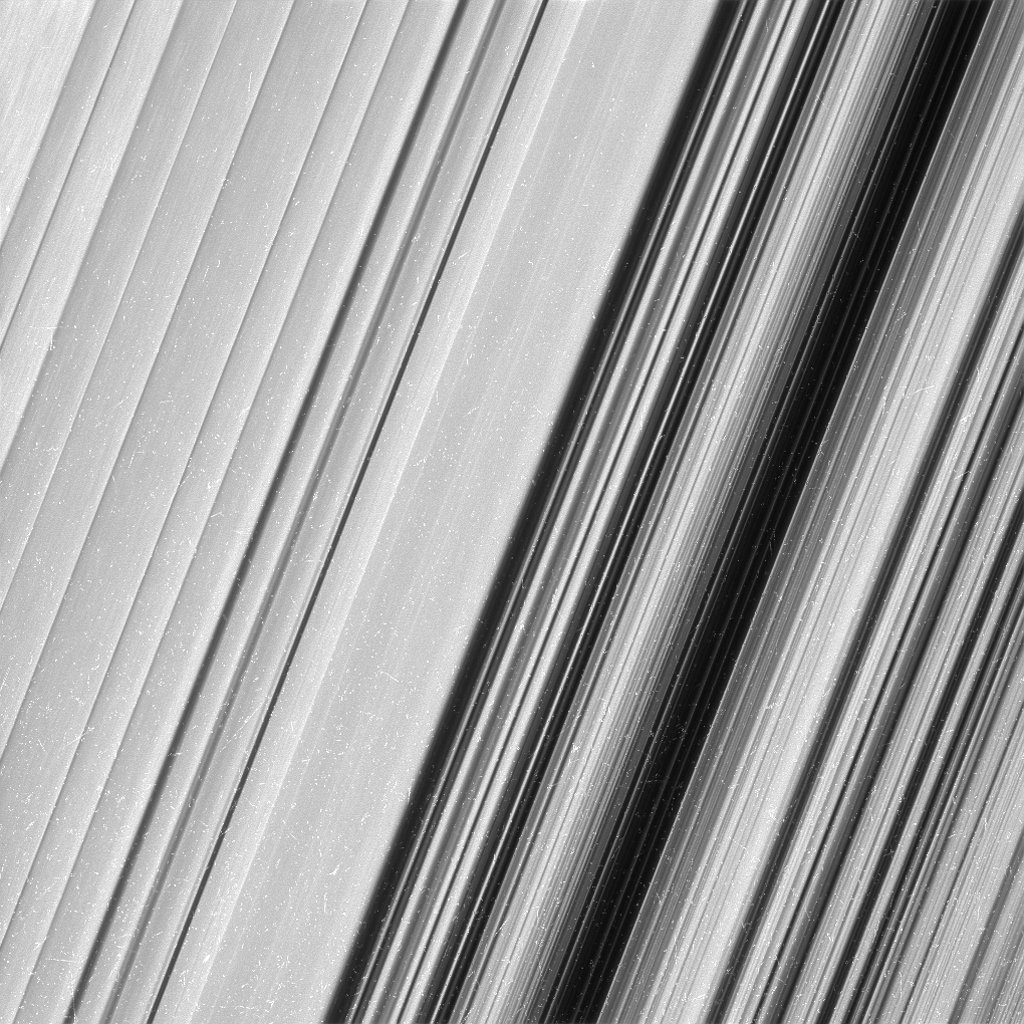

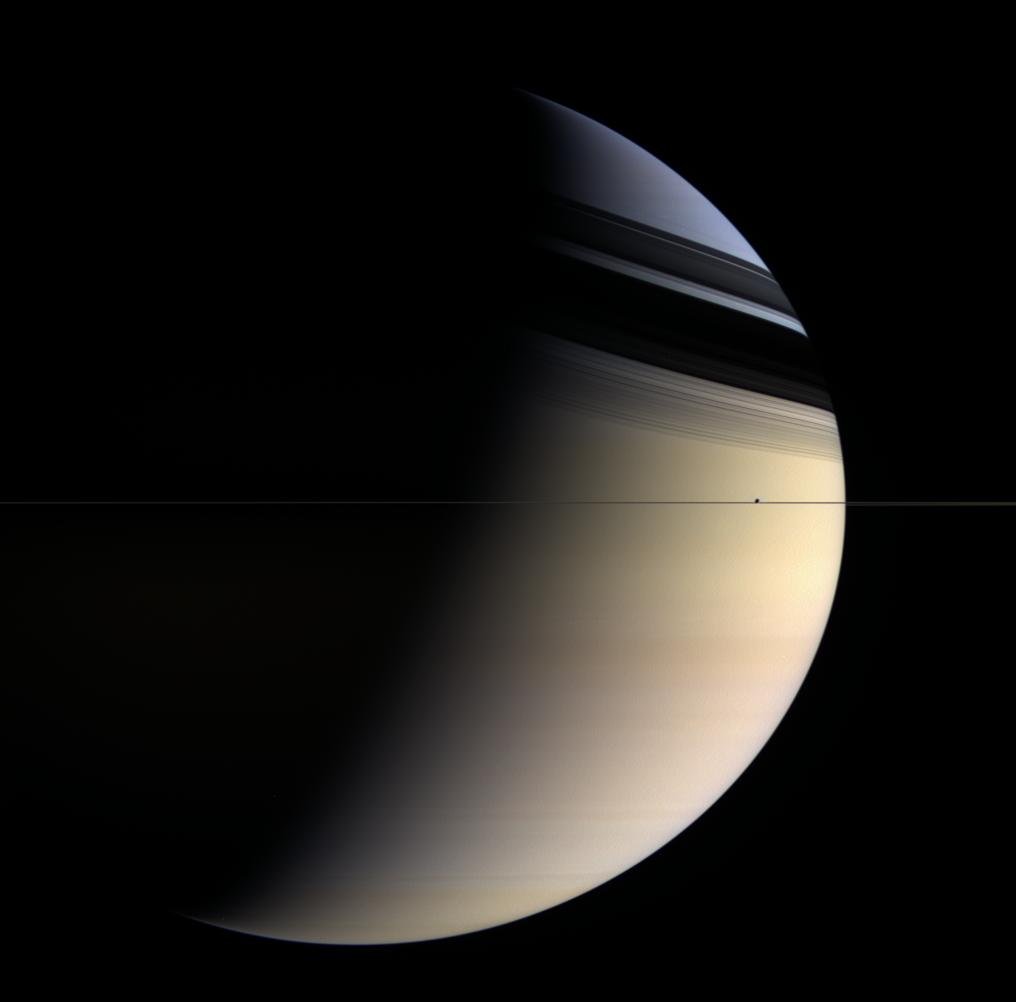
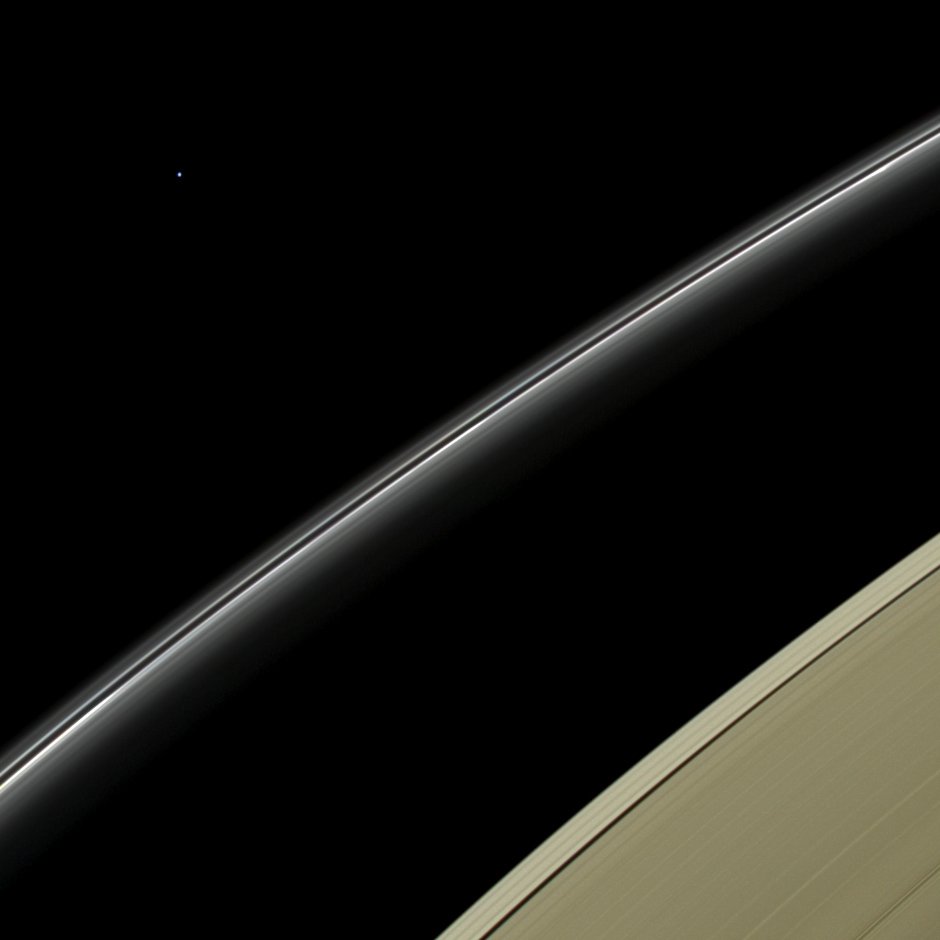
Though NASA’s Cassini spacecraft is sadly nearing the end of its mission, the brave li’l orbiter is putting on quite the grand finale. Cassini, which is currently in its ring-grazing phase around Saturn, has just sent back some stunning images of the gas giant’s many rings.
According to NASA, the new pictures are some of the “closest-ever images of the outer parts of the main rings,” which is exciting for scientists and stargazers alike. Cassini has taken many images of the rings before, but they’ve never been anywhere close to this level of detail.
The new images reveal up-close views of “propellers,” or structures that look like gaps in the rings caused by one of Saturn’s 62 moons. Gravity wakes, also called “straws, ”are likewise very visible in the new photos.
Luckily for us Earthlings, we can expect way more cool images of Saturn’s rings in the coming months. But unfortunately for Cassini, her 20-year-long mission will end in April, when she plunges herself into Saturn’s atmosphere. Sad!
RIP (Almost).
Space Writer, @gizmodo
-
December 21st, 2016 10:36am
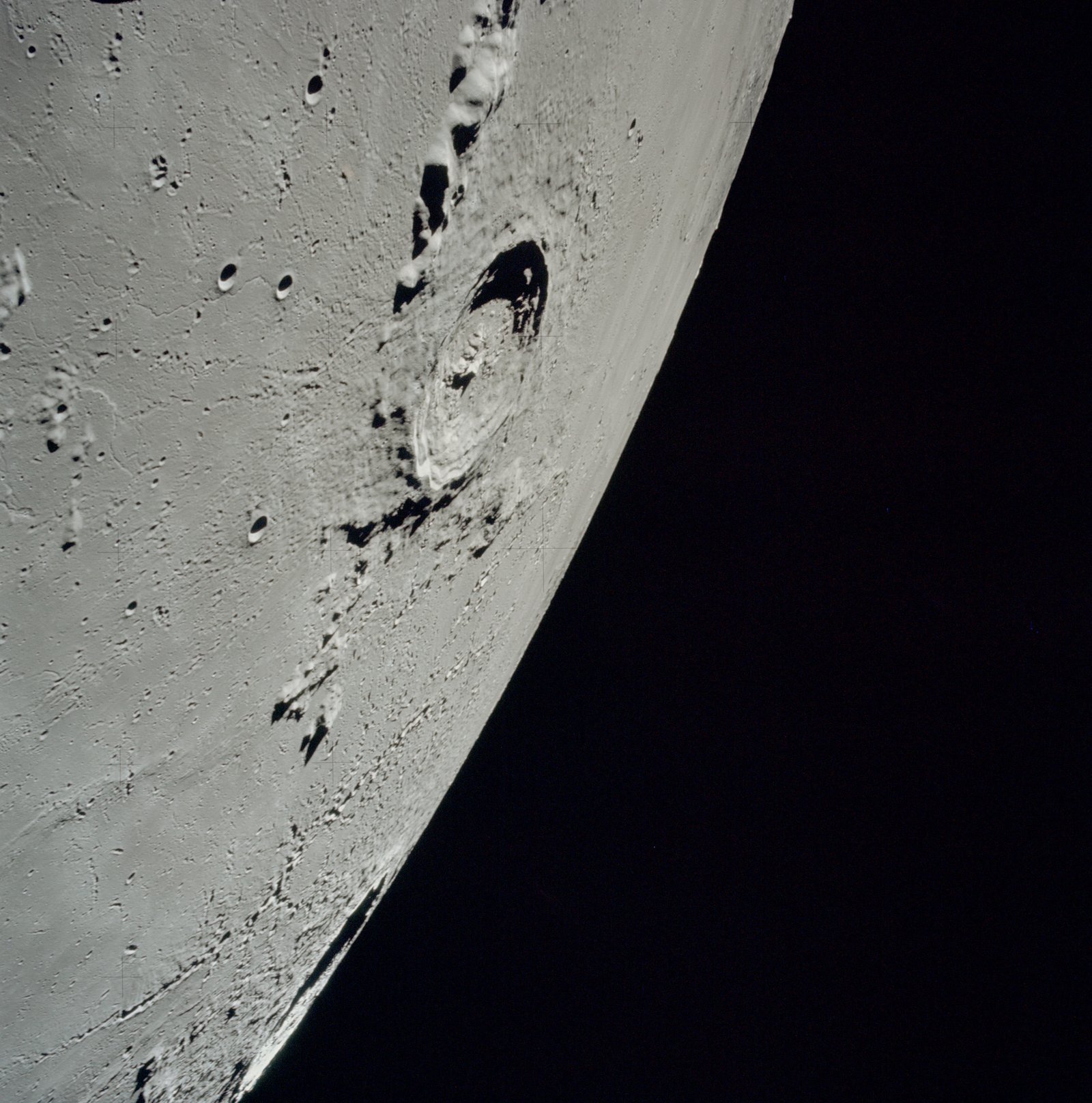
December 14, 1972 – Craters Eratosthenes and Copernicus on the Moon, as seen from the Apollo 17 command module.
-
October 24th, 2016 3:02am
-
October 7th, 2015 9:52pm
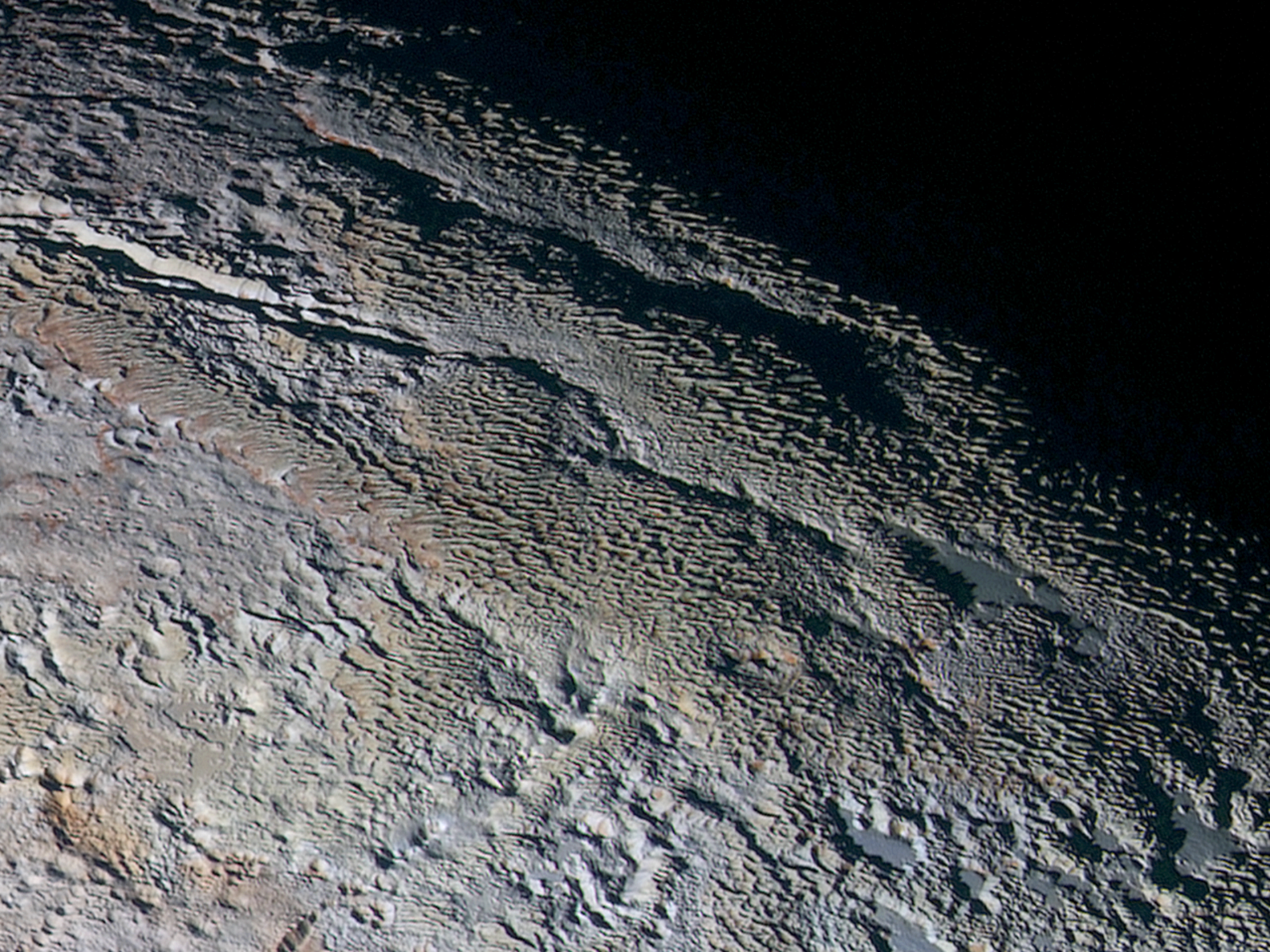
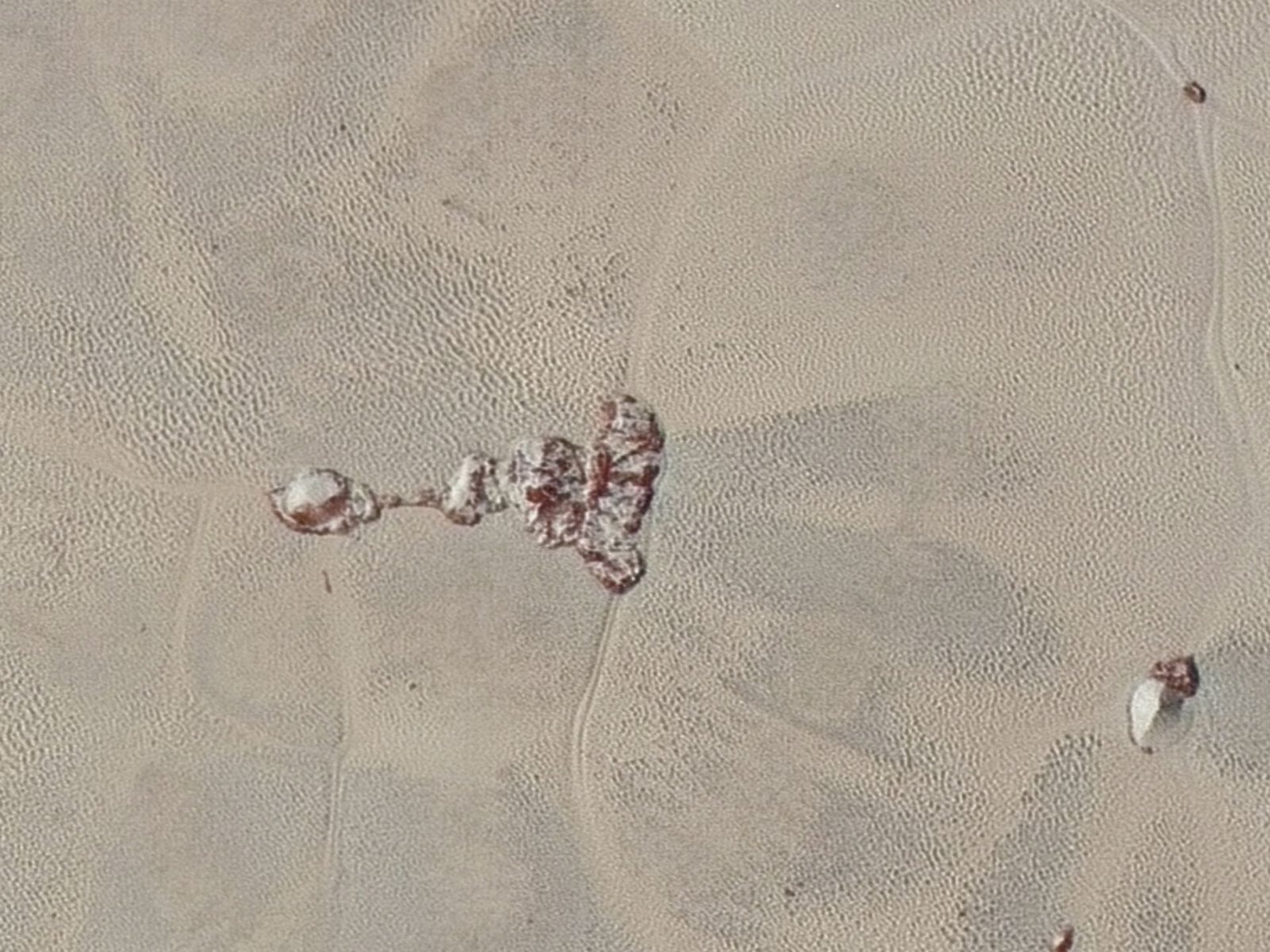
New Images of Pluto
NASA’s released new images captured of the surface of Pluto. This includes regions of scale-like texture (top) and a strange, textured surface surrounding some ice mountains (bottom).
Over the course of the next year, NASA will be receiving pictures from the Pluto exploration spacecraft, New Horizons.
(Image credit: NASA/JHUAPL/SWRI)
-
September 26th, 2015 8:52pm

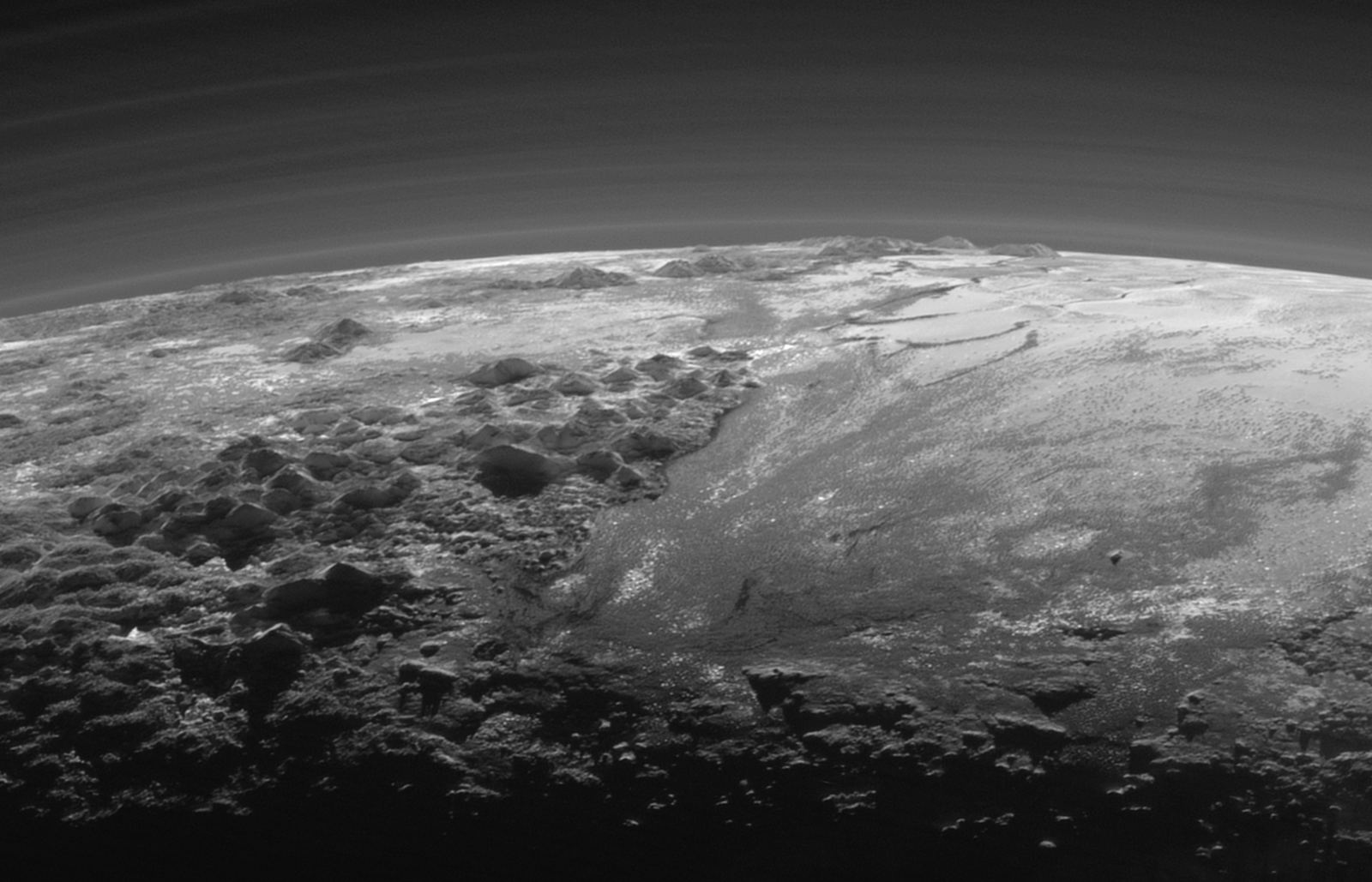
How could I not post Pluto’s landscapes with dramatic backlighting from the sun?
Just 15 minutes after its closest approach to Pluto on July 14, 2015,
NASA’s New Horizons spacecraft looked back toward the sun and captured
this near-sunset view of the rugged, icy mountains and flat ice plains
extending to Pluto’s horizon. The image was taken
from a distance of 11,000 miles (18,000 kilometers) to Pluto; the scene
is 780 miles (1,250 kilometers) wide.
credits: NASA/JHUAPL/SwRI
-
August 26th, 2015 8:09pm
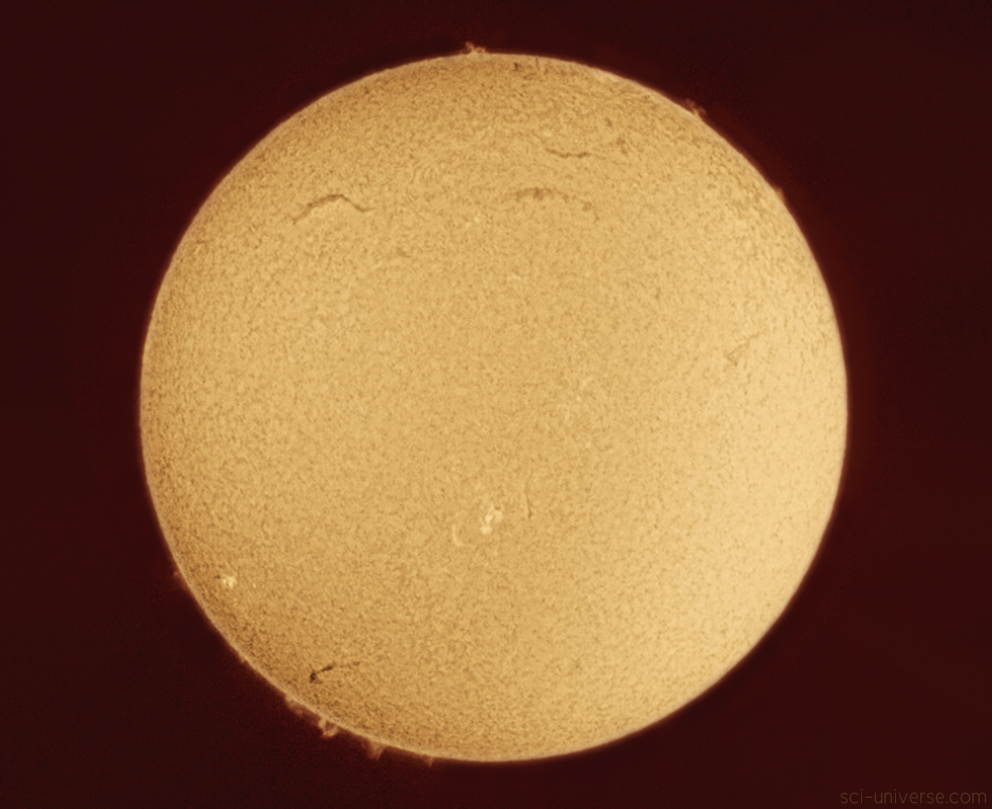
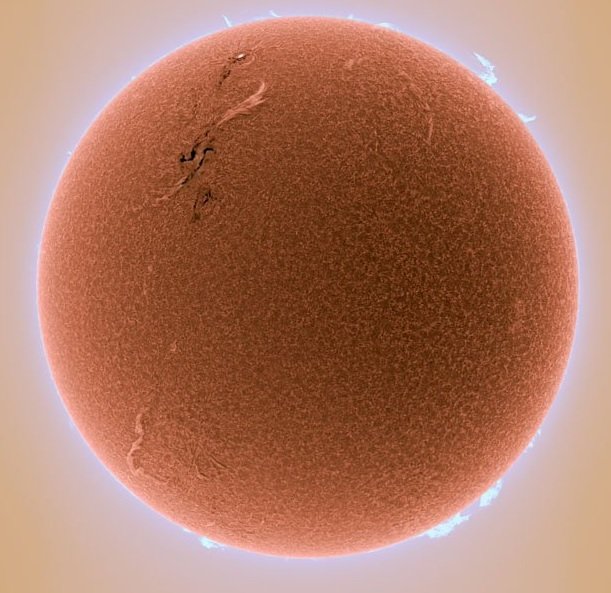
Here’s another view of the Sun of 13th August. On it, you can spot several dark lines – filaments, which are large regions of very cool gas
usually above the chromosphere (second of the three main layers in the Sun’s atmosphere).
But if they appear on the “edge” of the Sun, they look like flames as they’re brighter than the dark outer space behind them. In that case we call them prominences and you can see many of them as well.
The third thing to notice are those bright spots called plages after the French word for “beach”.You can see the equipment (belonging to this astronomer) I took this image with over at Sci-Universe’s instagram account!
-
May 6th, 2014 2:13pm
-
September 28th, 2013 11:18am
Earth is expected to be habitable for another 1.75 billion years
Findings published today in the journal Astrobiology reveal the habitable lifetime of planet Earth. The research team looked to the stars for inspiration. Using recently discovered planets outside our solar system (exoplanets) as examples, they investigated the potential for these planets to host life.
“We used stellar evolution models to estimate the end of a planet’s habitable lifetime by determining when it will no longer be in the habitable zone. We estimate that Earth will cease to be habitable somewhere between 1.75 and 3.25 billion years from now. After this point, Earth will be in the ‘hot zone’ of the sun, with temperatures so high that the seas would evaporate. We would see a catastrophic and terminal extinction event for all life,” said Andrew Rushby, who led the research.
However, conditions for humans and other complex life will become impossible much sooner – and this is being accelerated by anthropogenic climate change.
(GIF from the video of a geostationary satellite Electro-L)
Good news, for now.