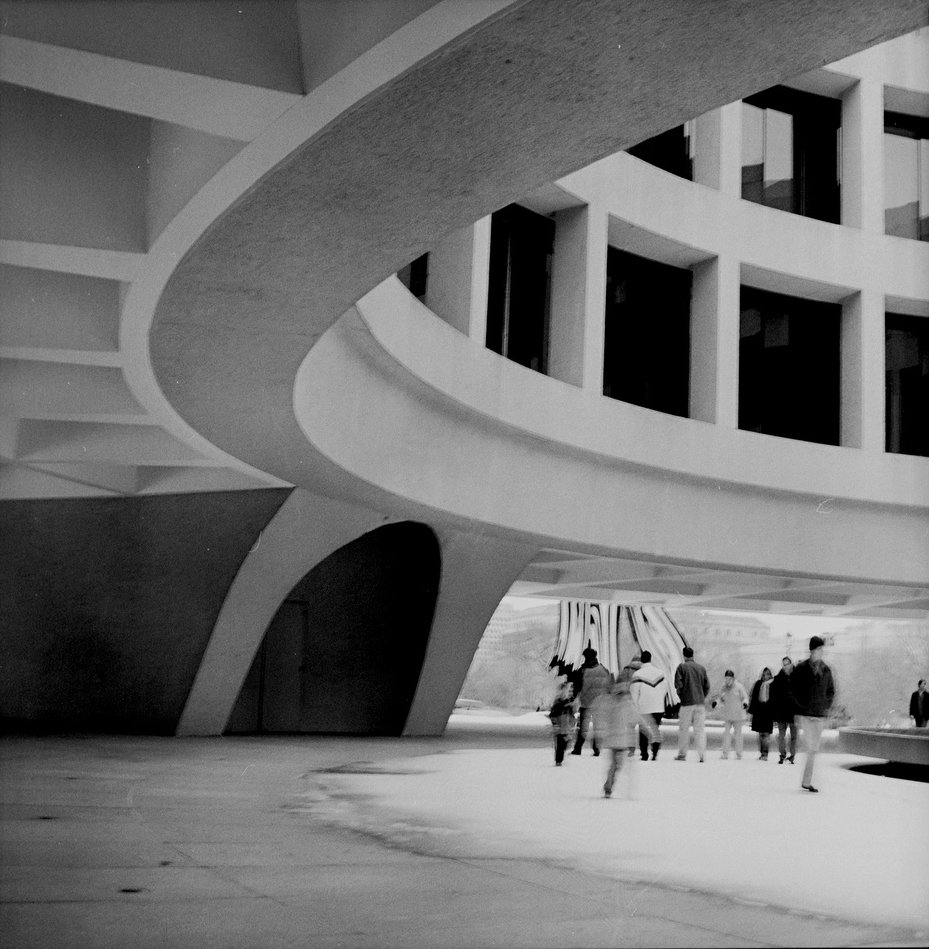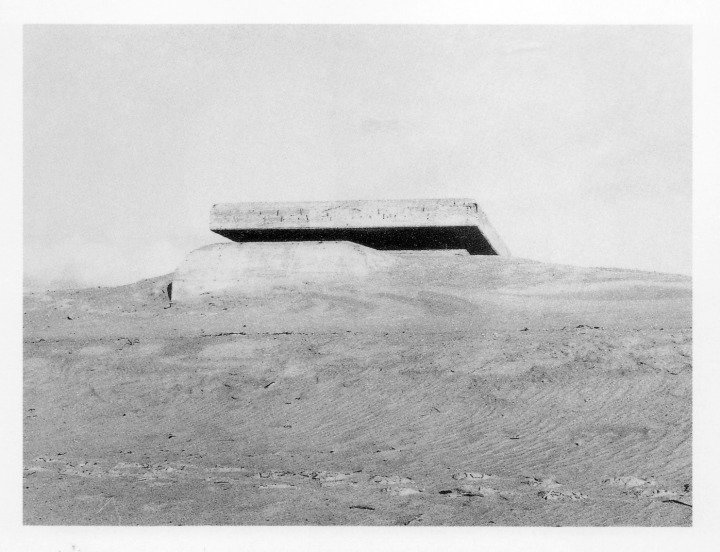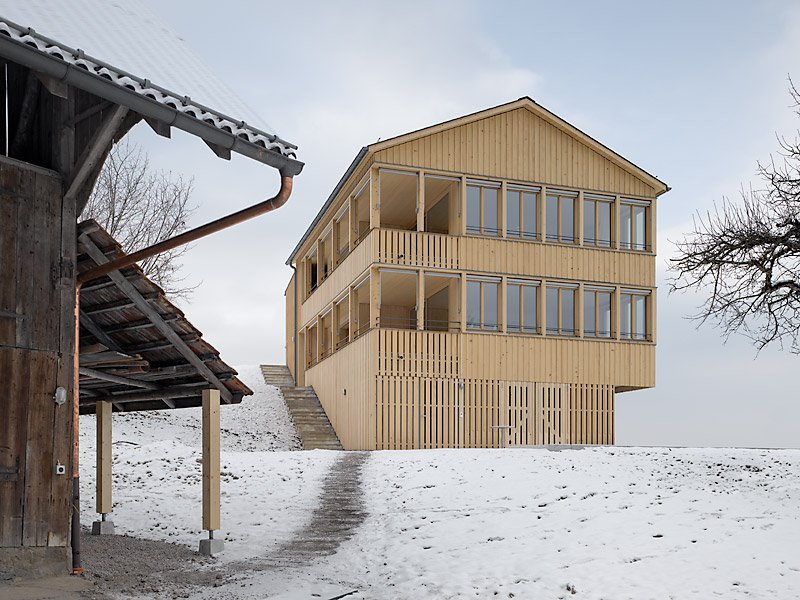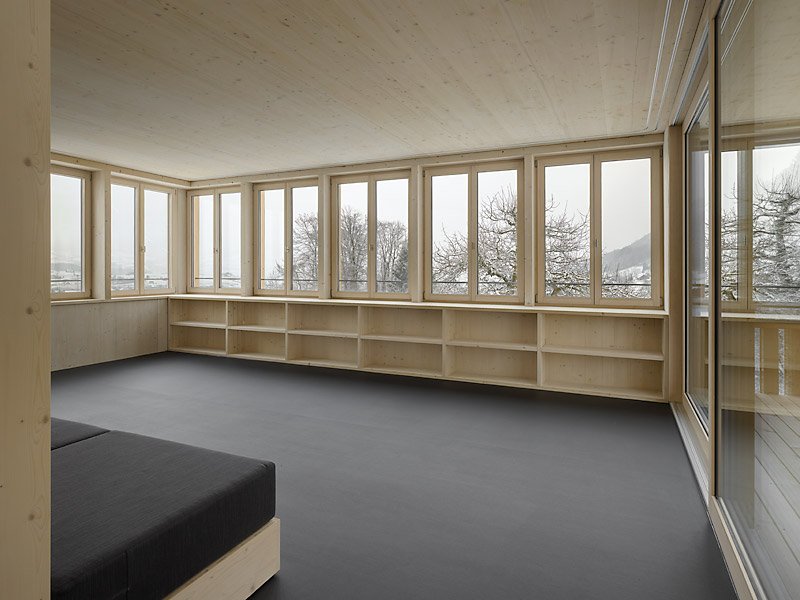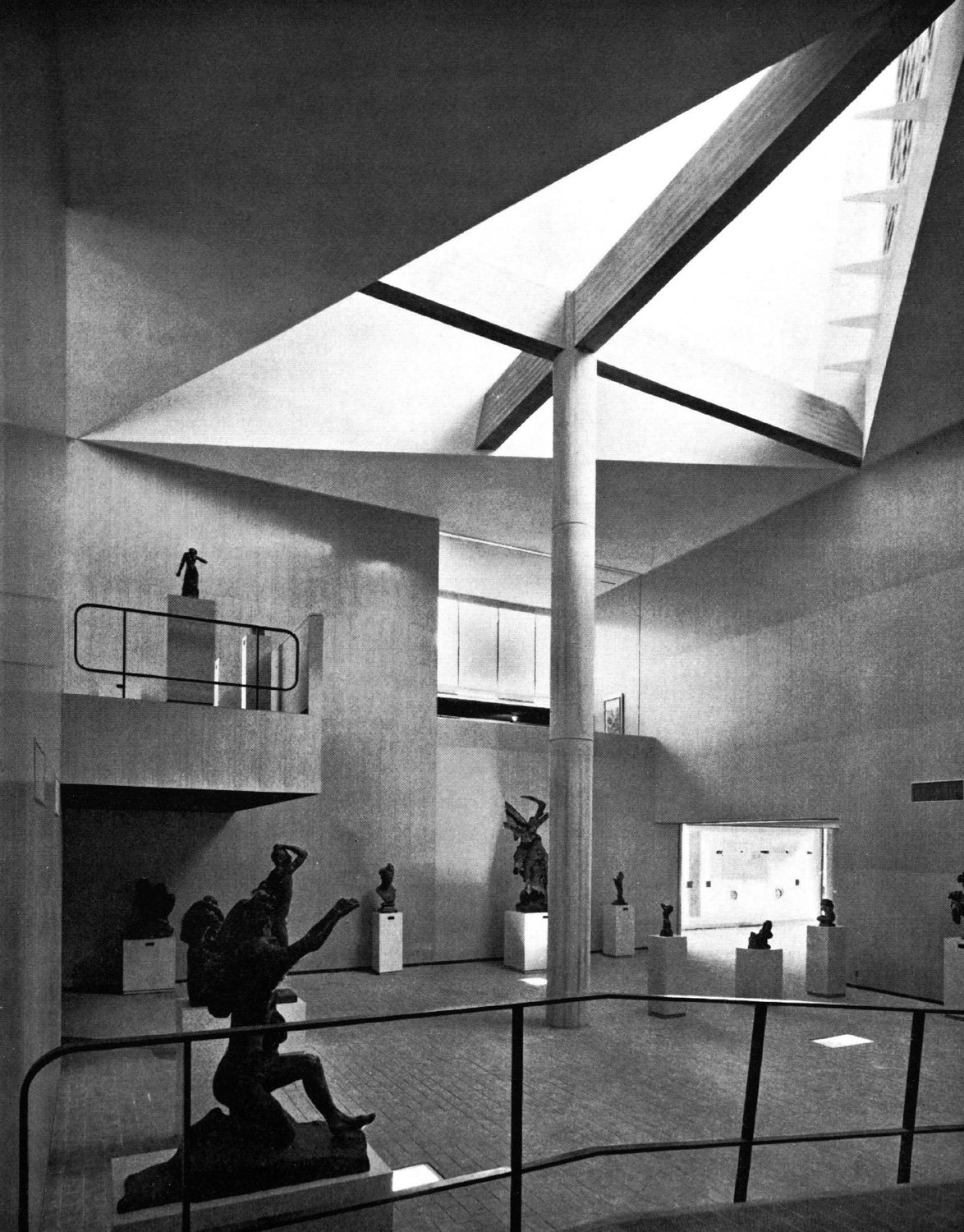
Le Corbusier, National Museum of Western Art, Tokyo, 1959.

Le Corbusier, National Museum of Western Art, Tokyo, 1959.
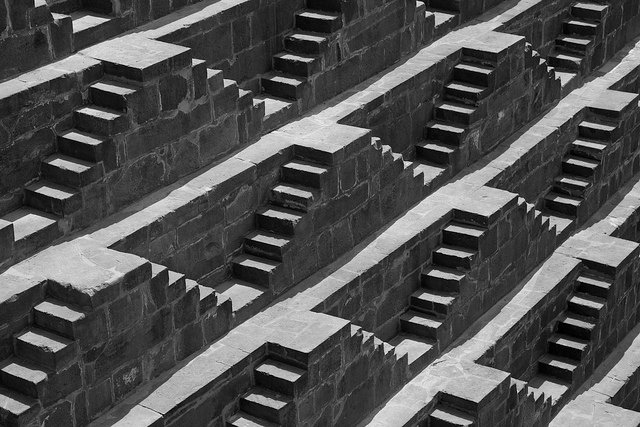
The giant step well of Abhaneri – in Rajasthan State, India
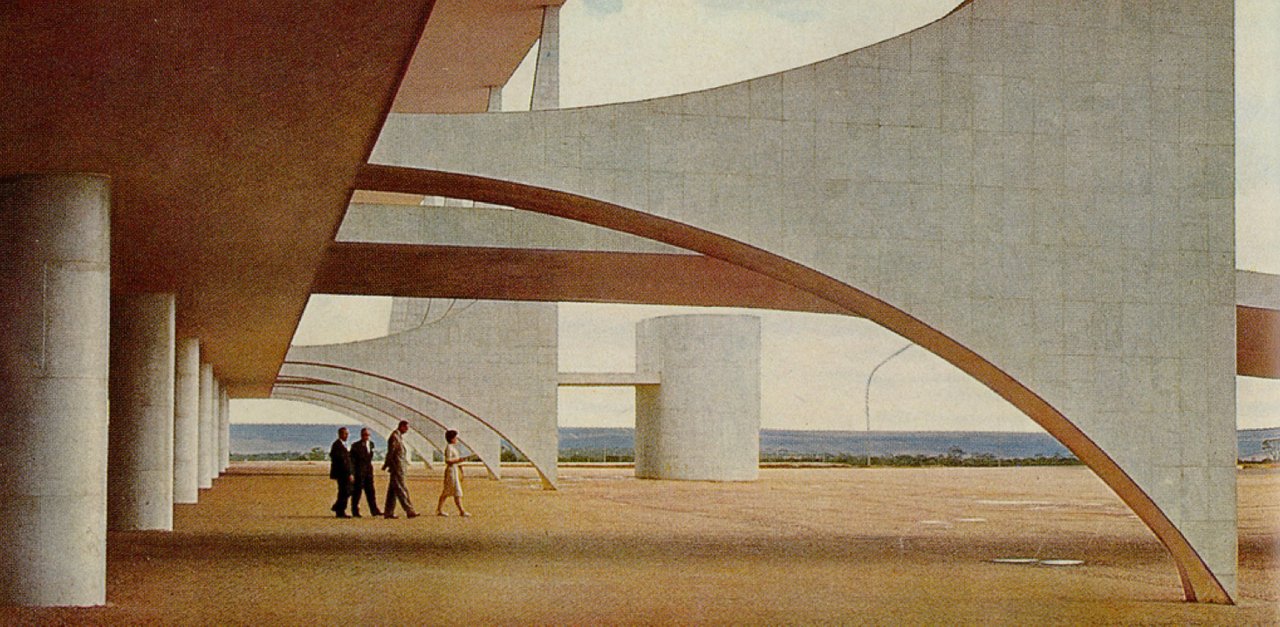
Palácio do Planalto in Brasília by Oscar Niemeyer.
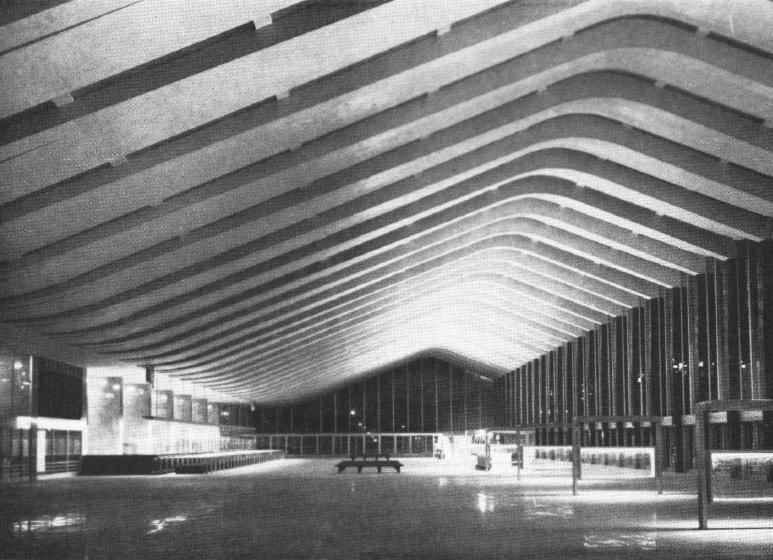
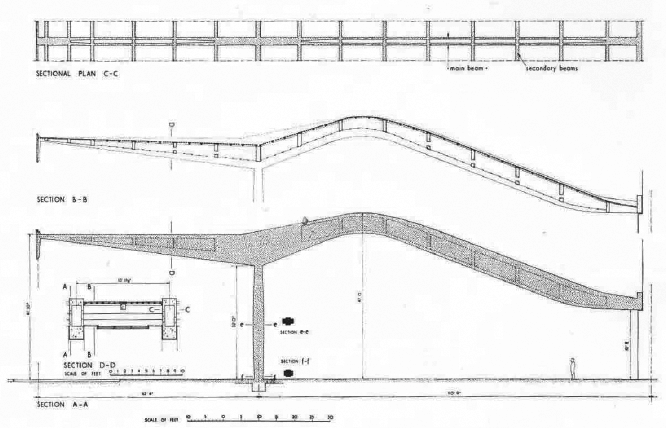
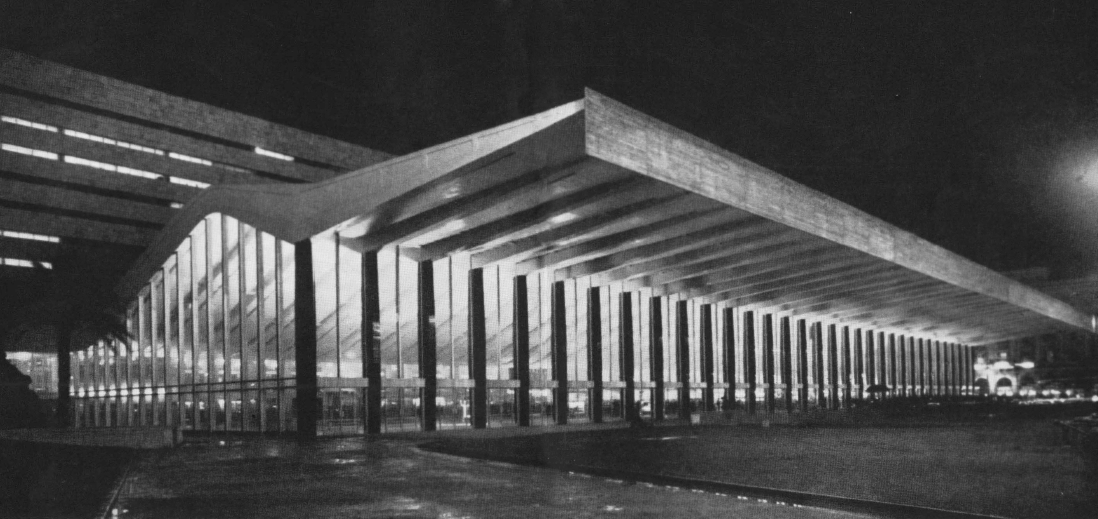
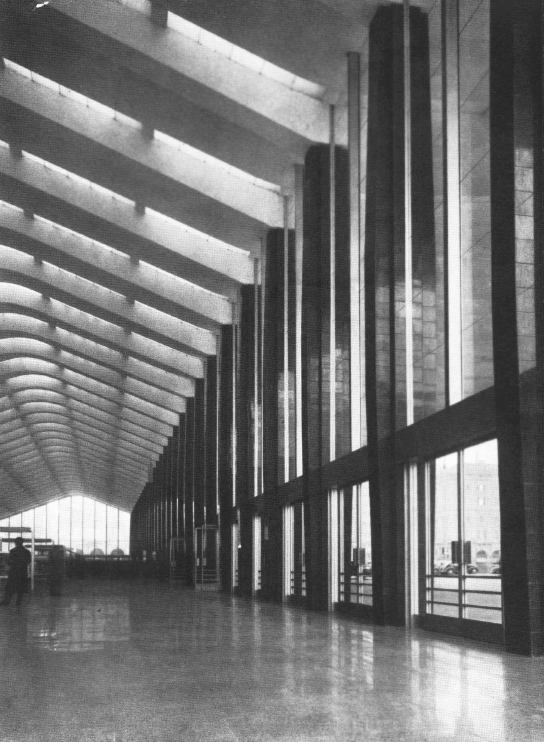
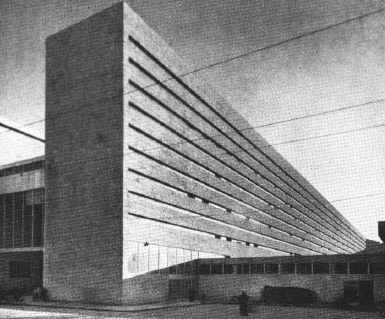
Roma Termini Station, Rome, Italy (circa 1952).
Plans for a new ‘Termini’ station were published in 1947 after a design competition to replace the half-built and severely damaged station on site previously. Opened in 1950, the final design was the result of the collaboration between the two winning teams of the design competition.
Despite the scale of the building, and the mixture of uses (such as the 5 storey office building behind the concourse), the layout is extremely simple and its functional success over the past 60 years owes much to this.
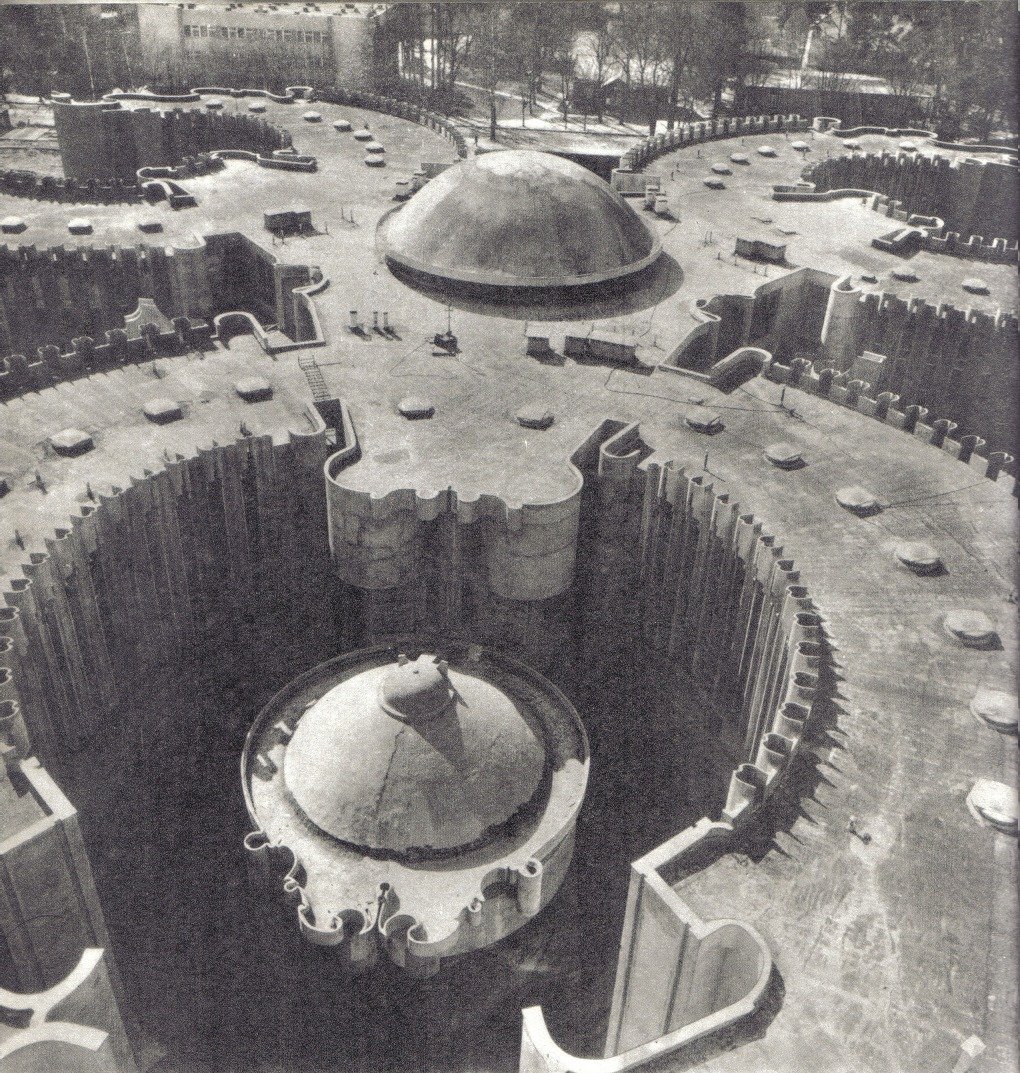
Lithuania, Druskininkai, Balneological Center
Designed by R. Šilskas, A.Šilskienė
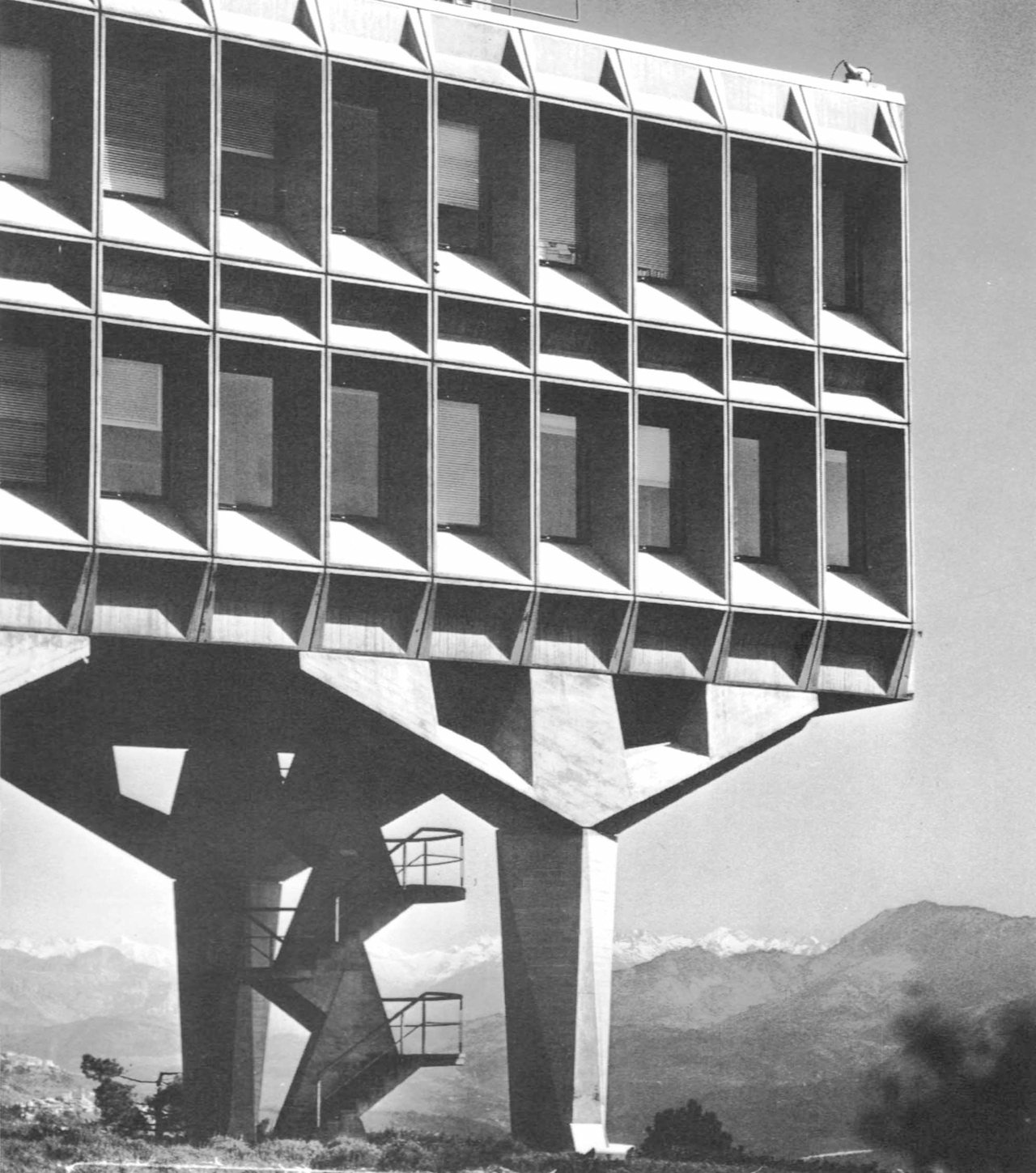
IBM France Research Center, La Gaude, France, 1958-62
(Marcel Breuer & Associates)
This is my 750th post, and FYB is nearing 40,000 followers. It seems now is a good enough time for a bit of reflection. I’m amazed and humbled by the amount of attention and recognition this blog has garnered.
My intention isn’t that all 40,000 of you start designing Brutalist architecture, but that some of you begin to treat this (admittedly quite nebulous and often misunderstood) mode of building with a bit of respect. Brutalism was and is an essential episode in the history of modern architecture, and the more evidence of its presence we lose through negligence and demolition, the harder it is to see a complete picture of that history.
If one finds these buildings unwelcoming and discomfiting, remember the visceral feeling they engender, and reflect on the powerful yet subtle effect that architecture can have on your daily life. That is all.
Brutalism is fucking incredible, i often have difficulty explaining quite how i feel about it, but it really is amazing, and it’s tragic that this type of architecture is often ignored or condemned in the world of blank, hyper-modern structures. Long live Modernism.