Blog

Month: December 2012

  • December 25th, 2012 9:12pm

    It could have been a lot of things,“ I said. "Maybe the police were called because somebody was sick. Maybe the two men in the plain car were doctors. Maybe our neighbor thought he saw a prowler. I guess if we really wanted to find out the thing to do would be to ask him.”

    The next evening I got in the car and drove down the road to do just that.

    “It’s because I’m a burglar,” our neighbor answered me amiably.
    I stood there and blinked, twice. I’d introduced myself when he’d answered the door, and he’d introduced himself as Jack Hogan and invited me inside and offered me a drink. After a few minutes’ exploratory conversation with the tanned and handsome man, I’d gotten around to asking him about the commotion at his house we’d witnessed last night, offering our help if anything was wrong.

    “The police were just here to harass me,” Jack Hogan went on. “Lieutenant Faber and his friends. I humor the lieutenant because I understand he acts only out of frustration.”

    “But if you’re innocent -” I said in a rather dumbfounded way.
    “But I’m not innocent,” Hogan said freely, his gray eyes as sincere as his voice. “Though if you tell anyone I said so I’ll deny it. Lieutenant Faber knows I’m guilty, but he can’t do anything about it because I’m too smart for him. That’s the fun of it.”

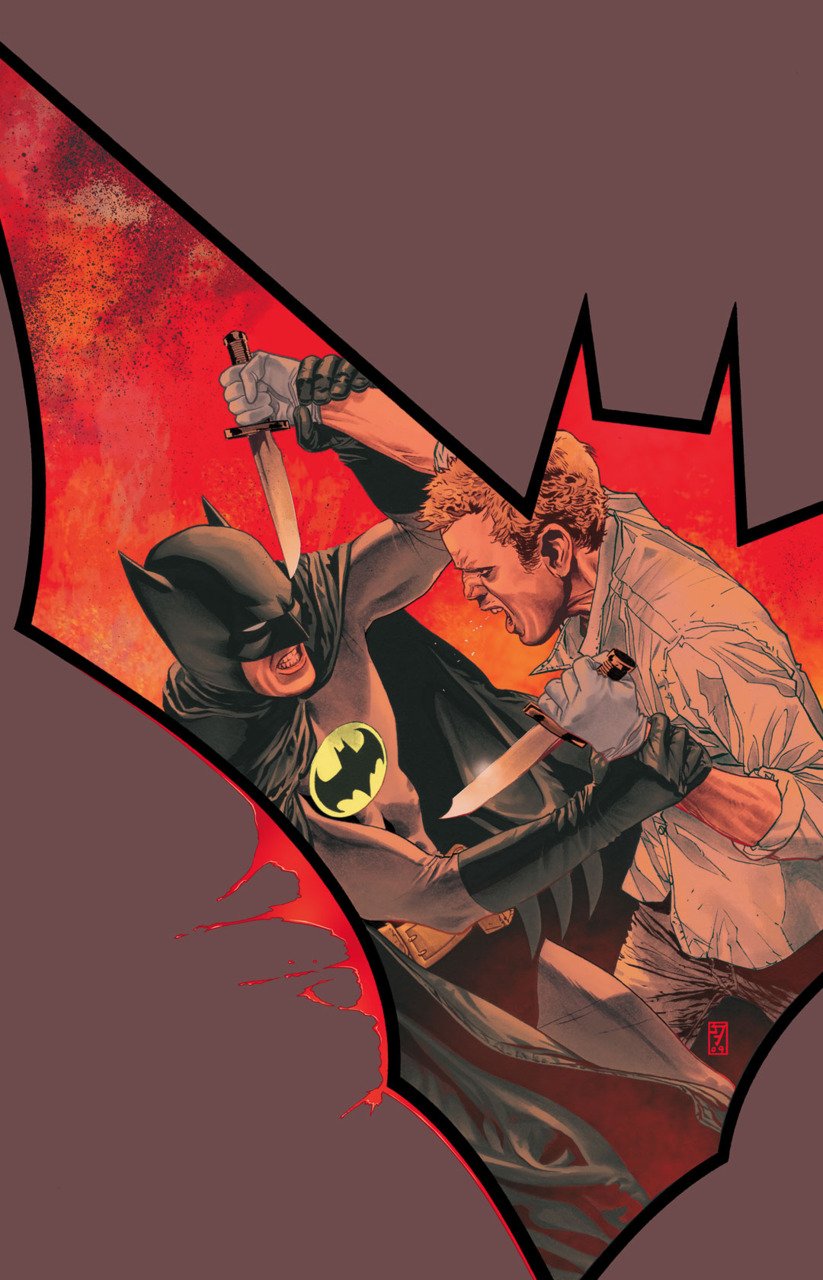
    So Young, So Fair, So Dead by John Lutz

  • December 25th, 2012 1:41am

    twocatsandatrombone:

    Greg Rucka, Why I Write Strong Female Characters

    But there is one question that I, personally, have been asked more frequently. This one:

    How Do You Write Such Strong Female Characters?

    This past year, 2011, I was asked this question a lot, and here we are into the first quarter of 2012, and it’s happening again (or still, if you rather). Most frequently, it comes up in regard to my work in the comics industry. If you know comics, and if you know superhero comics specifically, you’ll likely be familiar with the reasons why. Last year was not banner for the ladies, and this one isn’t off to a strong start, either, in fact. Wasn’t good for women within the industry itself, nor within the pages of the stories being told.

    Those who’ve had the unmitigated temerity to actually comment upon this state of affairs publicly have ended up paying a surprisingly heavy price. The gender of the speaker has been largely irrelevant, though to be sure, it’s the women who’ve stepped up have taken the harder hits. But all who’ve pointed out the absence of women both on the page and behind it have been ridiculed, insulted, and, absurdly enough, even threatened with violence. Conversely, those attempting to defend their mistreatment of women within the industry have revealed a staggering lack of understanding, empathy, and self-awareness, while seeming to rejoice in an arrogance that is near heart-stopping in its naked sexism and condescension.

    To say there are those who don’t get it is an understatement; it would be like describing the Japanese tsunami as ‘minor flooding’.

    … Gender isn’t simply a biological trait; it’s a societal one. The female experience is different from that of the male, and if, as a male writer, you cannot accept that basic premise, then you will never, ever, be able to write women well. A man walking alone through Midtown Manhattan at three in the morning may have concerns for his safety, but I promise you, it’s a very different experience for a woman taking the same walk, and it’s different again for a man wearing a dress. Think about it. That’s a societal factor, and it’s a gendered one, and this is not and can not be subject to debate. If you’re looking to argue that sexism is a thing of the past, that the world is gender-blind, you’re not only wrong, you’re lying to yourself.